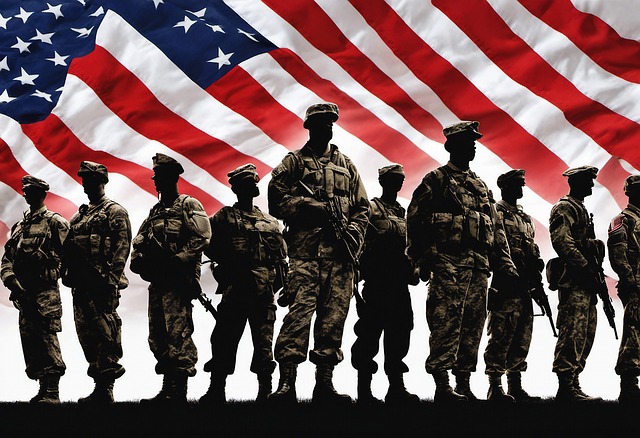
The 13 stripes on the US Army Special Forces (Green Berets) uniform represent their historical connection to the original thirteen colonies, fostering unity, camaraderie, and a shared heritage among members. Each stripe symbolizes courage, sacrifice, and diverse backgrounds, echoing America's foundational values of collaboration, diversity, and resilience.
"Unraveling the symbolism behind the 13 stripes on the US Army Special Forces uniform, this article delves into the rich heritage of America's original colonies. From historical significance to modern identity, we explore why these stripes represent unity and diversity within the elite ranks of the Special Forces. Discover how each stripe commemorates a founding colony, fostering camaraderie across different backgrounds. Moreover, we examine the deeper cultural meanings embedded in their design, providing a unique perspective on the forces that shaped America."
- The Historical Significance of Stripes in US Army Special Forces
- Original Colonies: A Symbolism Unveiled
- 13 Stripes: A Legacy of Unity and Diversity
- Special Forces Identity: Beyond the Uniform's Design
The Historical Significance of Stripes in US Army Special Forces
The US Army Special Forces, often referred to as the Green Berets, have a rich history that is intricately woven with symbols of courage and unity. One of their most iconic emblems is the 13 stripes, representing the original colonies that fought for independence. This design has deep historical significance, serving as a constant reminder of the collective strength and shared heritage of America's foundation.
The stripes on the Special Forces uniform are more than just aesthetic; they are a powerful symbol of their mission to defend and protect American interests worldwide. Each stripe stands for one of the 13 original colonies, emphasizing the diverse backgrounds and skills that contribute to the elite nature of this military unit. This visual representation fosters a sense of camaraderie among members, evoking the spirit of unity and sacrifice that has characterized America's journey since its inception.
Original Colonies: A Symbolism Unveiled
The 13 stripes adorning the Ultimate Flags of the United States of America serve as a powerful symbol, representing the original colonies that formed the foundation of this great nation. Each stripe is a testament to the unity and resilience of the early American settlers who braved the unknown, forging a new path in the New World. This iconic design carries profound historical significance, especially for organizations like the US Army Special Forces, whose members embody the spirit of these colonies.
The stripes act as a visual reminder of the diverse yet interconnected communities that came together to fight for independence and shape the future of their country. This symbolism extends beyond the flag, reflecting the shared values and struggles of the original colonies, which continue to inspire and guide modern-day pioneers, be they citizens or soldiers like those in the US Army Special Forces, tasked with protecting and upholding the ideals upon which this nation was built.
13 Stripes: A Legacy of Unity and Diversity
The 13 stripes on the American flag, symbolizing the original colonies, carry a profound legacy that resonates through various aspects of American society and culture. This iconic design is not merely a visual representation; it embodies the unity and diversity that have been the cornerstones of the nation since its inception. Each stripe represents one of the thirteen colonies that declared independence from Britain, fostering a collective identity while acknowledging the unique characteristics of each region.
This symbol of unity has also inspired organizations such as the US Army Special Forces, known for their diverse backgrounds and unwavering commitment to international security. The 13 stripes serve as a reminder of the strength in diversity, echoing the original spirit of collaboration and shared purpose that led to the nation's founding. This legacy continues to shape not just the country's political landscape but also its cultural identity, emphasizing the value of every thread—or stripe—in the rich tapestry of American heritage.
Special Forces Identity: Beyond the Uniform's Design
The 13 stripes adorning the US Army Special Forces uniform are a powerful symbol, reflecting the origins and heritage of this elite unit. They serve as a constant reminder of the foundational principles and values that have shaped the Special Forces' identity since its inception. Each stripe represents one of the original thirteen colonies, a historical link that fosters a deep sense of camaraderie among members, echoing the unity and resilience displayed by their ancestors during America's early struggles for independence.
Beyond the uniform's external design lies a rich tapestry of tradition and discipline. For Special Forces operators, these stripes signify not just geographical divisions but also embody the rigorous training, unwavering courage, and exceptional skills they must possess to uphold the reputation and mission of their regiment. The US Army Special Forces are renowned for their labyrinthine operational capabilities, requiring them to navigate complex environments—both physically and culturally—to achieve their objectives, making these stripes a badge of honor and a testament to their distinctive identity.
The 13 stripes adorning the US Army Special Forces uniform hold deep historical significance, symbolizing the unity and diversity of the original colonies. This iconic design, featuring one stripe for each founding colony, serves as a powerful reminder of the Special Forces' unique identity rooted in American history. By embracing this legacy, the US Army Special Forces continue to embody the spirit of determination and innovation that has defined them since their inception.