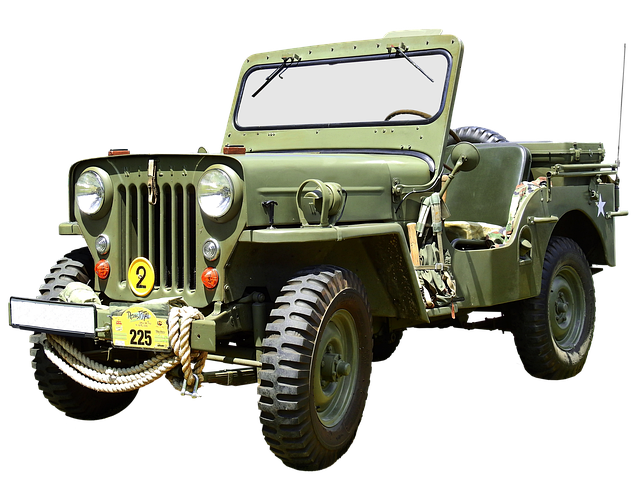
"Civilian organizations play a pivotal role in supporting military operations, often behind the scenes. This article explores the significant contributions of these unsung heroes, focusing on their partnership with the US Army Special Forces. From logistics and supply chain management to fostering civil-military relationships, civilians bridge gaps and enhance military capabilities. We delve into how their expertise and dedication impact global missions, highlighting the critical role of civilian support in achieving military objectives."
- The Role of Civilian Support in Military Operations
- US Army Special Forces: Partners and Sponsors
- Building Bridges: Civil-Military Relationships
- Logistics and Supply Chain Management by Civilians for the Armed Forces
The Role of Civilian Support in Military Operations
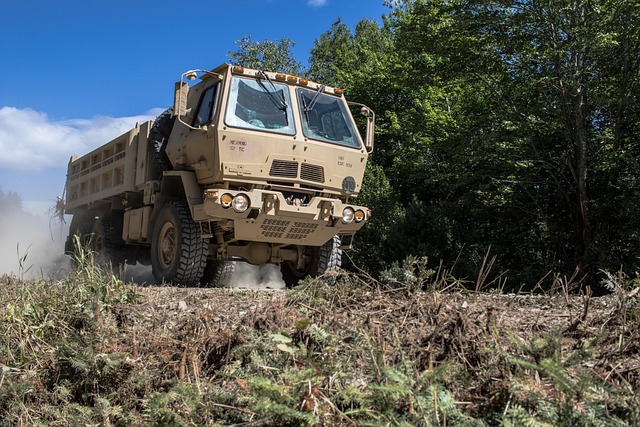
Civilian organizations play a pivotal role in supporting military operations, especially in complex and protracted conflicts. These groups, often composed of dedicated volunteers and experts from various fields, provide crucial assistance to troops on the ground. For instance, within the US Army Special Forces, civilian support is instrumental in intelligence gathering, cultural awareness training, and logistical operations, enhancing their capability to conduct special operations effectively.
By leveraging the skills and resources of civilians, military forces can extend their reach and adapt more swiftly to dynamic environments. This collaboration fosters a more robust and agile approach to security and humanitarian missions, ensuring better outcomes for both service members and the civilian populations they aim to protect.
US Army Special Forces: Partners and Sponsors
The US Army Special Forces, also known as the Green Berets, play a unique and critical role in global operations. They are renowned for their versatility, specializing in unconventional warfare, direct action, and counterterrorism. These highly trained soldiers serve as both partners and sponsors to civilian organizations supporting the military, fostering strong collaborations that enhance mission effectiveness.
Through these partnerships, Special Forces members leverage the expertise of local communities, non-governmental organizations (NGOs), and other allied forces to achieve operational success. Their ability to build relationships, adapt to diverse environments, and integrate special operations capabilities makes them invaluable assets in supporting civilian efforts worldwide.
Building Bridges: Civil-Military Relationships
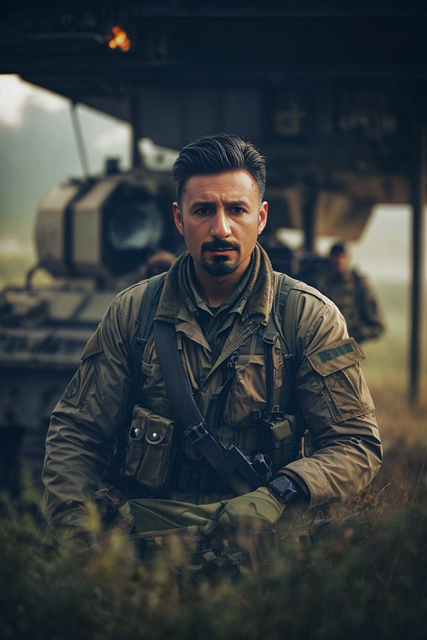
Civilian organizations play a pivotal role in supporting military operations, often behind the scenes, by providing essential resources, expertise, and logistics. These partnerships are particularly crucial for special forces like the US Army Special Forces, who frequently operate in complex and high-risk environments. Building strong civil-military relationships is key to ensuring these operations' success.
By fostering collaboration, military units can tap into the knowledge and support of civilian groups, enhancing their capabilities. This synergy enables special forces to navigate challenging terrains, adapt to dynamic situations, and maintain the highest levels of effectiveness. Such partnerships also facilitate information sharing, cultural understanding, and mutual trust, which are invaluable assets in achieving mission success and fostering positive community engagement during and after operations.
Logistics and Supply Chain Management by Civilians for the Armed Forces
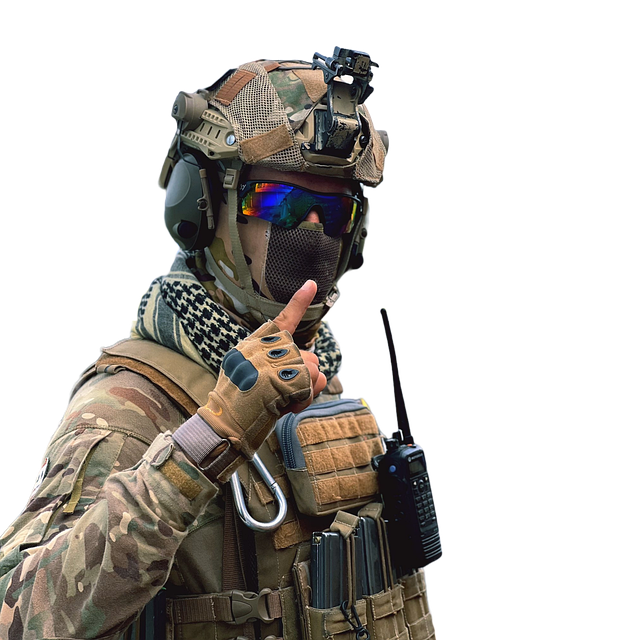
Civilian organizations play a vital role in supporting the military, especially when it comes to logistics and supply chain management. These groups, often comprised of dedicated volunteers and experts from various sectors, ensure that US Army Special Forces units receive critical resources promptly and efficiently. By leveraging their extensive networks and specialized knowledge, they streamline operations, enhancing the Special Forces' ability to execute missions successfully.
The collaboration between civilians and military personnel creates a robust logistics backbone, particularly in remote or challenging environments. For instance, civilian organizations have been instrumental in procuring and delivering essential supplies to US Army Special Forces operating in rugged terrains, ensuring they have the necessary equipment for their unique and demanding tasks. This level of support is crucial, fostering readiness and enabling the Special Forces to maintain their high standards of excellence.
Civilian organizations play a pivotal role in supporting military operations, from providing crucial logistics and supply chain management to fostering strong civil-military relationships. As seen with the US Army Special Forces, partnerships with these groups enhance mission success and ensure effective navigation in complex environments. By leveraging civilian expertise and resources, the military can achieve greater efficiency, adaptability, and responsiveness, ultimately strengthening its global capabilities.