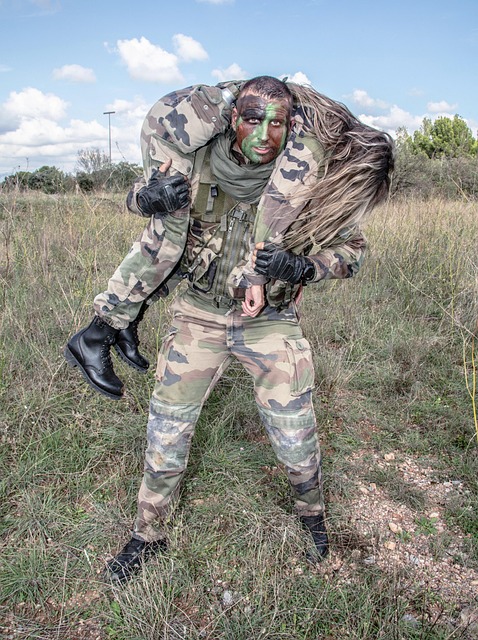
Embroidered patches on US Army Special Forces uniforms hold historical value, signifying unit affiliation, rank, achievements, and traditions. These patches, evolving with military tactics, communicate identity and foster camaraderie among Special Forces members. Combining traditional embroidery techniques with modern innovations, the intricate designs tell stories of missions and skillsets, enhancing teamwork during challenging operations. Customization of gear further strengthens unit cohesion and loyalty by visually representing shared experiences.
"Unraveling the intricate art of embroidery, this article explores its rich history and modern applications, particularly within the US military. From ancient origins to the present day, embroidered patches have served as symbolic markers of identity and pride. In the context of the US Army Special Forces, these delicate designs on uniforms and equipment hold significant historical value, enhancing unit cohesion. We delve into the techniques, materials, and customization that make these patches unique identifiers, showcasing their essential role in fostering camaraderie among Special Forces operatives."
- Historical Significance of Embroidered Patches
- US Army Special Forces: Unique Identification
- Techniques and Materials Used in Embroidery
- Customization and Its Impact on Unit Cohesion
Historical Significance of Embroidered Patches
Embroidered patches have a rich historical significance, especially within military uniform and equipment. These intricate designs have been used to signify unit affiliation, rank, achievements, and traditions for centuries. The US Army Special Forces, known for their distinctive green berets and tactical prowess, are a prime example of this tradition. Each patch tells a story—a tale of valor, missions accomplished, and the unique identity of its wearer.
Historically, embroidered patches served as a form of visual communication on the battlefield, allowing soldiers to quickly identify friendly units and distinguish themselves from enemies. As military tactics evolved, so did the design and placement of these patches, reflecting changes in camouflage patterns, unit structures, and strategic objectives. Today, they remain integral to military and tactical gear, preserving their historical significance while adapting to modern requirements, particularly within specialized forces like the US Army Special Forces.
US Army Special Forces: Unique Identification
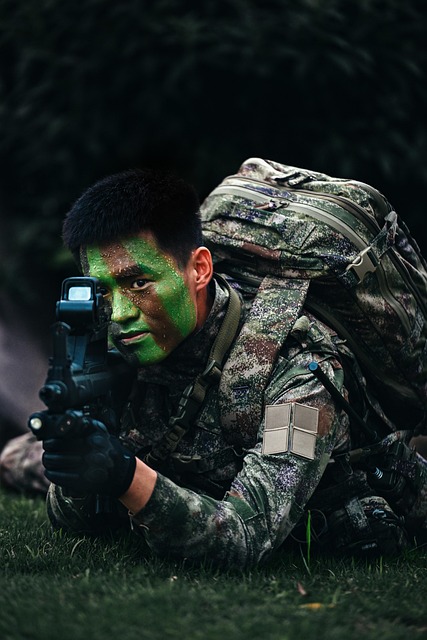
The US Army Special Forces, known for their distinct and specialized operations, also pride themselves on a unique form of identification through embroidered patches on their uniforms and equipment. These intricate designs serve as a symbol of their specialized training and expertise in various fields. Each patch tells a story, representing specific missions, achievements, or skillsets, adding a layer of visual history to the wearer's identity.
The Special Forces' emphasis on embroidery as a means of identification sets them apart from other branches of the US military. These patches are meticulously crafted, often featuring intricate symbols and text, reflecting the diverse cultures and languages encountered during their global operations. This unique form of self-expression allows them to quickly convey their specialized roles, fostering camaraderie among fellow Special Forces soldiers while also striking fear into their adversaries.
Techniques and Materials Used in Embroidery
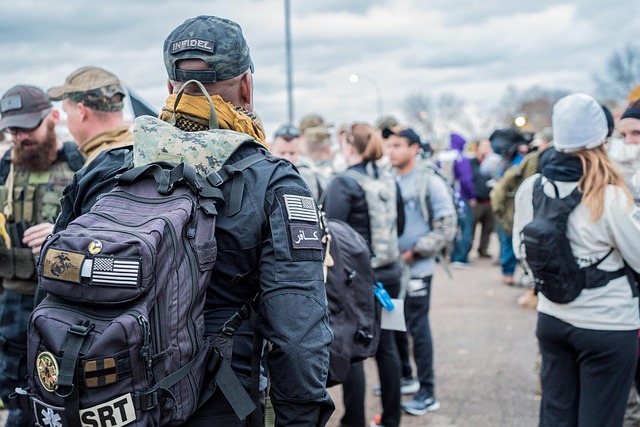
The art of embroidery on uniforms and equipment involves a blend of traditional techniques and modern innovations, particularly for esteemed units like the US Army Special Forces. Skilled artisans employ intricate stitches to create detailed designs, ensuring each piece is unique and visually striking. Common methods include hand embroidery, where delicate needles and threads are used to weave vibrant colors into fabric, and machine embroidery, which allows for rapid creation of complex patterns using computerized machinery.
Special Forces often feature intricate emblem designs, subtle unit crests, and symbolic patches that demand precision and finesse. High-quality materials such as rayon, polyester, and cotton threads are favored for their luster and durability. The choice of fabric is also critical, with robust, thick materials suitable for rugged uniforms and equipment, ensuring the embroidery remains vibrant even after extensive use and exposure to harsh environments.
Customization and Its Impact on Unit Cohesion
In the realm of military uniforms and equipment, customization plays a significant role in fostering unit cohesion. For instance, within the US Army Special Forces, members often personalize their gear with intricate embroidery, from unit crests to individual insignias. This practice goes beyond aesthetic appeal; it strengthens the bond among comrades. Each unique design becomes a visual representation of shared experiences and collective identity, enhancing camaraderie and loyalty.
The impact is profound, especially during rigorous operations where trust and cohesion are paramount. Customization allows each soldier to claim their equipment as an extension of themselves, fostering a sense of ownership and responsibility. This, in turn, contributes to improved teamwork and effective navigation through the challenges they face, making it a powerful tool for building unit cohesion within specialized forces like the US Army Special Forces.
Embroidered patches have become an integral part of military identity, especially for specialized units like the US Army Special Forces. Through their intricate designs and symbolism, these embroidered markings foster a sense of unity and pride among soldiers. As seen throughout history and highlighted by our discussion on the US Army Special Forces, the art of embroidery enhances equipment functionality while serving as a powerful visual representation of unit heritage and achievements. The use of diverse techniques and materials ensures that each patch tells a unique story, contributing to the rich tapestry of military tradition.