The US Army Special Forces' uniform embroidery is a living tapestry woven with historical significance, showcasing their specialized skills and dedicated service. Blending advanced technology with traditional craftsmanship, they use modern embroidery machines and high-quality threads to create visually striking designs. Embroidery on uniforms and equipment symbolizes unique skills, bravery, and camaraderie, fostering a strong bond among elite operators. It also serves as an instant identifier in missions, building trust and representing their distinct identity within military hierarchies. Modern embroidery technology enhances camouflage, ensuring special operations forces can adapt to diverse environments during global missions.
"Unraveling the intricate art of embroidery on US Army Special Forces uniforms and equipment, this article delves into the historical significance of these detailed designs. From ancient roots to modern innovations, we explore how embroidery serves as a powerful symbol of identity and mission. Discover the techniques, materials, and symbolism behind these distinctive markings, which have evolved to enhance camouflage and operational effectiveness. Learn about the game-changing advancements in equipment that continue to shape the US Army Special Forces' unique aesthetic."
- Historical Significance of Embroidered Designs on US Army Special Forces Uniforms
- Techniques and Materials Used in Creating Embroidered Symbols
- Symbolism and Identity: The Role of Embroidery in Special Operations
- Modern Innovations in Embroidering Equipment for Enhanced Camouflage
Historical Significance of Embroidered Designs on US Army Special Forces Uniforms
The intricate embroidery adorning the uniforms and equipment of the US Army Special Forces holds deep historical significance, reflecting their unique identity and pivotal roles in global operations. Since their inception, these distinctive designs have served as a visual representation of their specialized skills and dedicated service. Historically, embroidered insignia and patches on Special Forces uniforms have been more than mere decorative elements; they tell stories of missions accomplished, allies forged, and adversities overcome.
Each thread meticulously woven into these garments carries the weight of history, depicting iconic symbols, battle honors, and specialized training qualifications. The intricate embroidery not only enhances their aesthetic appeal but also fosters a sense of camaraderie among the troops, reinforcing their bond as elite operators. This rich tradition continues to inspire and honor the US Army Special Forces, preserving their historical legacy through every stitch.
Techniques and Materials Used in Creating Embroidered Symbols
The techniques and materials employed in crafting embroidered symbols on uniforms and equipment for the US Army Special Forces have evolved over time, reflecting both technological advancements and traditional artistry. Skilled artisans utilize a combination of modern embroidery machines and manual stitching to create intricate designs. These machines, equipped with advanced computer-aided design (CAD) software, allow for precise placement of threads, ensuring accuracy in replicating official emblems and insignia.
Among the diverse materials used, high-quality cotton, polyester, and silk threads are popular choices due to their durability and vibrant colors. Embroidery specialists also incorporate metallic threads for added luster and visual impact, particularly when highlighting important symbols or unit crests. The result is a visually stunning display of unit pride and heritage, worn with distinction by the US Army Special Forces personnel during their missions worldwide.
Symbolism and Identity: The Role of Embroidery in Special Operations
Embroidery serves a multifaceted role in special operations, transcending mere aesthetics to become a powerful symbol of identity and unity. For the US Army Special Forces, intricately designed patches and insignia on uniforms and equipment are more than just decorative elements; they represent the unique skills, bravery, and camaraderie that distinguish these elite soldiers. Each thread tells a story, weaving together the collective experiences and achievements of the unit, fostering a sense of belonging and purpose among team members.
This symbolism goes beyond the individual to encompass the entire special operations community. Recognizable embroidery patterns can instantly identify friends from foes in high-stakes missions, building trust and camaraderie in the face of extreme adversity. The intricate details also serve as a constant reminder of the unit's mission, values, and shared history, empowering soldiers with a powerful visual representation of their unique identity within the military hierarchy.
Modern Innovations in Embroidering Equipment for Enhanced Camouflage
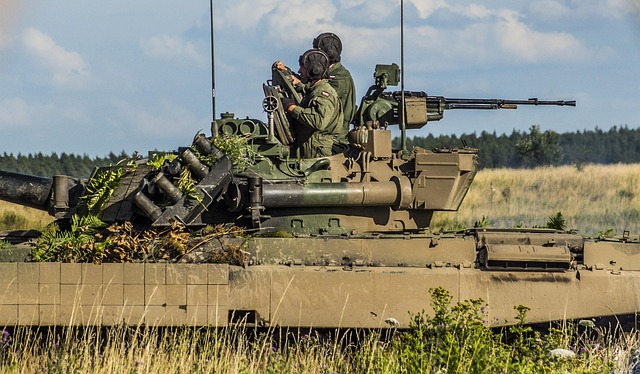
In recent years, modern innovations in embroidery technology have brought about remarkable advancements in enhancing camouflage on uniforms and equipment, particularly for elite units like the US Army Special Forces. These breakthroughs have allowed for more intricate and realistic designs, ensuring soldiers blend seamlessly into their operational environments. With the integration of advanced machinery and digital design tools, manufacturers can now create embroidered patterns that mimic natural textures and hues found in various terrains.
One notable development is the use of high-definition embroidery, which enables the production of complex camouflage patterns with precise color gradations. This technology has revolutionized the way special operations forces personalize their gear, offering greater stealth and adaptability to different missions. Moreover, innovations in material science have led to the creation of lightweight, durable fabrics that maintain their integrity even under extreme conditions, ensuring the longevity and effectiveness of embroidered camo equipment during intense field operations.
Embroidered designs on US Army Special Forces uniforms and equipment have evolved significantly over time, reflecting historical significance and modern innovations. From their initial role in identifying units and ranks to expressing symbolism and fostering a unique identity within the forces, embroidery has become an integral part of special operations. Today, advanced techniques and materials enable enhanced camouflage, making these intricate designs both functional and aesthetically striking. As the US Army Special Forces continue to adapt to evolving battlefield demands, embroidery remains a powerful tool for communication, unity, and stealth.