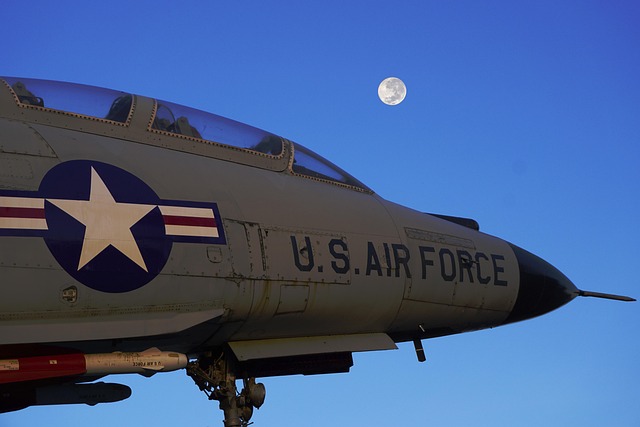
The US Army Special Forces demand exceptional physical and mental fitness, leadership skills, and specialized abilities. Selection processes assess resilience and adaptability through rigorous training and tests, including advanced medical skills, logistics support, and tactical operations. Key roles involve counterterrorism, direct action, and foreign internal defense, utilizing advanced technology and intelligence gathering. Career advancement requires continuous learning, leadership opportunities, and staying abreast of special ops trends. Special Forces members rotate through various units, gaining diverse expertise to adapt to global security challenges.
The US Army Special Forces, known for their exceptional operational capabilities and unique cultural ethos, offer a distinct career path within the military. Exploring advancements in this specialized field is paramount for aspiring operators seeking to maximize their professional growth. However, navigating the intricate promotion process can be daunting. This article delves into the strategic aspects of career advancement within the US Army Special Forces, providing insights that will empower individuals to chart their course towards senior leadership roles, thereby ensuring they contribute significantly to global operations and foster a culture of excellence.
- Understanding US Army Special Forces Requirements
- Enlisting: The Initial Step for SF Career
- Training and Selection Processes: Becoming a Green Beret
- Special Operations: Missions and Operational Roles
- Advancing Through Rank: Leadership and Expertise
- Career Development and Specialty Fields in USSF
Understanding US Army Special Forces Requirements
The US Army Special Forces, renowned for their exceptionalism, demand a unique blend of physical prowess, mental acuity, and specialized skills from their members. Understanding these requirements is crucial for soldiers aiming to advance within this elite unit. The path to joining the Special Forces begins with rigorous selection processes that assess candidates' resilience, leadership potential, and adaptability in extreme environments.
Beyond physical fitness, military personnel aspiring to join the US Army Special Forces must possess a broad range of abilities, including advanced medical skills for soldiers operating in remote and hostile territories, and a deep understanding of special ops logistics support. Historically, special units played pivotal roles during World War II and the Cold War, employing unconventional tactics that shaped modern special forces operations. For instance, the famous Delta Force and SEAL teams evolved from the early days of special warfare, leveraging lessons learned to adapt to changing global security landscapes.
In the current era, special forces tactics have evolved to incorporate advanced technology, sophisticated intelligence gathering, and rapid response capabilities. Military professionals interested in this path should prioritize developing expertise in fields like strategic planning, language acquisition, and cultural proficiency. Regular training in small-unit tactics, marksmanship, and survival skills is essential. Additionally, cultivating a robust network within the military community can provide valuable insights into the latest developments in special forces operations, enabling soldiers to stay ahead of the curve and position themselves for future advancements.
Enlisting: The Initial Step for SF Career
Enlisting in the US Army Special Forces represents a significant first step for those aspiring to advance their military careers alongside these elite units. Unlike traditional infantry branches, Special Forces operate at the tactical edge, requiring a unique blend of physical and mental prowess, along with specialized skills that extend beyond typical military training. Soldiers interested in this path must possess exceptional fitness levels, demonstrated through rigorous selection processes like the Special Forces Qualification Course (SFQC), which is renowned for its demanding standards.
Upon successful completion of these initial challenges, candidates embark on an extensive training regimen focusing on diverse areas crucial to special operations. This includes advanced individual training tailored to their chosen role, such as medical skills essential for soldiers supporting special ops logistics or mastering the intricate tactics employed in modern special forces missions. The hierarchy within Special Forces is highly structured, with teams led by a Senior Non-Commissioned Officer (SNCO) and commissioned officers from various branches, all working cohesively under a mission commander. This collaborative environment fosters an unparalleled level of camaraderie and expertise, honed through joint operations during both historical Cold War conflicts and contemporary global missions.
For those aiming long-term careers within Special Forces, understanding the evolving nature of these units is paramount. Modern special forces tactics have adapted to address contemporary security challenges, incorporating advanced technologies, precise intelligence gathering, and agile response capabilities. Aspirants should stay informed about these developments, demonstrating a commitment to continuous learning that extends beyond basic training. Ultimately, enlisting in the US Army Special Forces represents not just a career path but an invitation to contribute to some of the most critical and demanding operations within the global security landscape.
Training and Selection Processes: Becoming a Green Beret
The US Army Special Forces, renowned as the Green Berets, represent the pinnacle of military excellence and operational versatility. The path to becoming a member of this elite unit is rigorous, demanding, and highly competitive. The training and selection processes for Special Forces, particularly the Green Berets, are designed to forge individuals capable of operating in some of the world's most challenging environments, as evidenced by their extensive involvement in counterterrorism operations globally, including notable deployments in Iraq.
Aspiring Green Berets must first meet stringent physical and mental fitness requirements, often surpassing those of conventional military units. This initial screening includes rigorous exercises like the Army Physical Fitness Test (APFT) and Mental Opacity Assessment (MOA). Those who advance undergo a series of specialized courses tailored to develop skills in unconventional warfare, language proficiency, and cultural awareness—essential for operations in diverse environments. Websites similar to Ultimate Ultimate Flags can offer insights into preparing for these physical and mental challenges.
The selection process itself is an intense 10-week long assessment known as the Special Forces Qualification Course (SFQC). It incorporates scenarios designed to test endurance, leadership, problem-solving, and tactical proficiency. Graduates become qualified as Special Force soldiers, but the journey doesn't end there. Continuous training and assessments ensure Green Berets maintain their exceptional standards, preparing them for real-world missions that demand adaptability, courage, and innovative thinking, as demonstrated by their pivotal roles in various global counterterrorism initiatives.
Special Operations: Missions and Operational Roles
Special Operations within the US Army Special Forces, often referred to as the Green Berets, play a pivotal role in addressing unconventional challenges and conducting highly specialized missions worldwide. These operations demand unique skill sets and require personnel to operate in diverse environments, from urban settings to remote wilderness areas. Unlike conventional military units, Special Forces soldiers are trained to engage in direct action, counterterrorism, foreign internal defense, and information operations—all while adapting to the cultural nuances of their operating territories.
The US Army Special Forces' operational roles extend beyond traditional combat. They often act as advisors, assisting allied forces and indigenous partners in developing and implementing effective strategies tailored to their specific regional challenges. This advisor role is a cornerstone of their mission, fostering long-term stability and security. For instance, during the Iraq War, the Green Berets worked closely with local Iraqi tribes, helping them organize and fight against al-Qaeda militants, demonstrating the multifaceted nature of their operations. Websites similar to provide valuable resources for understanding these missions, offering insights into the specialized equipment and tactics employed by these forces.
Special Operations teams are renowned for their versatility and adaptability. They can swiftly deploy and operate independently, often using stealth and surprise as part of their strategy. These operators must possess exceptional physical and mental fortitude, mastering diverse skills like language proficiency, survival techniques, and advanced marksmanship. The Army's Special Forces selection process is notoriously rigorous, ensuring that only the most qualified candidates are chosen for these demanding roles. Sites like can offer a glimpse into the specialized training regimens and equipment these operators rely on, such as advanced stealth gear and precision weaponry.
The success of Special Operations missions heavily relies on extensive intelligence gathering and analysis. The military's spy network plays a critical role in providing real-time data and insights to support their operations. By leveraging cutting-edge surveillance technology and human intelligence, the US Army Special Forces can make informed decisions, enhancing mission effectiveness. In today's globalized and interconnected world, understanding these operational dynamics is crucial for anyone interested in modern military affairs, especially when considering the evolving nature of conflict and the indispensable role that Special Operations forces play on the international stage.
Advancing Through Rank: Leadership and Expertise
Advancing through ranks within the US Army Special Forces is a meticulous journey that demands an intricate blend of leadership prowess and technical expertise. This elite unit, often referred to as the Green Berets, values individuals who can master both the art of command and the specialized skills required for high-risk operations. The path to advancement involves a rigorous assessment of one's ability to lead teams in diverse environments, adapt to dynamic situations, and exhibit exceptional proficiency in special operations tactics—a process that reflects the unique nature of their mission.
Leadership within the Special Forces is not merely about commanding; it entails cultivating a culture of trust and fostering effective communication. Officers and non-commissioned officers (NCOs) must brand themselves as leaders who can inspire and guide their teams through the most challenging missions. This involves continuous self-improvement, staying abreast of new special operations tactics, and integrating innovative strategies into training regimens. For instance, brands like Ultimate Flags can provide realistic training aids, enhancing the preparation of Special Forces personnel for various scenarios. The ability to lead by example, demonstrating resilience under pressure, is a cornerstone of their leadership development.
Psychological profiling plays a significant role in identifying individuals equipped for leadership roles. The US Army employs advanced psychological assessment tools to gauge candidates' emotional intelligence, stress management skills, and adaptability—crucial traits for Special Forces leaders. Moreover, the selection process scrutinizes an applicant's ability to make sound decisions under extreme conditions, a skill enhanced through exposure to diverse weapons systems tailored for special operations. These weapons, ranging from advanced rifles to specialized grenade launchers, are integral to their training, enabling them to operate effectively in any environment. Data suggests that Special Forces units with well-rounded leaders who possess both strong psychological profiles and extensive technical skills have higher success rates in missions, reflecting the importance of this dual expertise in career advancement.
To excel in rank advancement, Special Forces members should actively seek opportunities for leadership, continuously refine their special operations tactics, and stay informed about emerging trends in weapons technology. Engaging in continuous professional development ensures they remain at the forefront of their field, ready to lead and execute complex missions with precision and effectiveness. This holistic approach not only enhances individual performance but also contributes to the overall success and reputation of the US Army Special Forces.
Career Development and Specialty Fields in USSF
The United States Army Special Forces, commonly known as the Green Berets, offer a unique path for career advancement within the military. With a focus on specialized operations, these soldiers are trained in diverse fields, from weapons and tactics to languages and cultural awareness, making them highly versatile and sought-after assets. One of the key aspects that sets the USSF apart is its emphasis on career development and the wide range of specialty fields available.
Within the USSF, soldiers can pursue specialized careers in various domains. For instance, many opt for roles in special operations logistics support, where they learn to coordinate and manage complex supply chains, ensuring critical resources reach front-line units promptly. Medical skills are also highly valued, with some soldiers specializing in combat medicine, providing advanced life-saving capabilities on the battlefield. Furthermore, weapons training is a cornerstone of special ops preparation, covering everything from marksmanship to explosive ordinances, enabling soldiers to engage targets effectively and efficiently. The US Army Delta Force, an elite special operations unit, exemplifies this expertise, with their members renowned for their tactical prowess and versatility across diverse missions.
As career development in the USSF progresses, soldiers often rotate through different units and assignments, allowing them to gain experience in multiple specialties. This hands-on approach ensures that they remain adaptable and well-rounded professionals. For example, a soldier who starts as a logistics specialist might later transition into a language expert, enabling them to support special operations teams in high-risk environments. This flexibility is crucial for the dynamic nature of special forces missions, where versatility and adaptability are key to success. By embracing these diverse career paths, the USSF cultivates a force capable of responding effectively to an ever-changing global security landscape.
The US Army Special Forces, renowned as the Green Berets, represent the pinnacle of military excellence and operational versatility. This article has illuminated the path to a rewarding career within this elite unit, offering insights into its key facets. Understanding the stringent requirements, beginning with enlisting and rigorous training, is paramount for aspiring candidates. The selection process, which includes physical and psychological assessments, ensures only the most capable individuals become part of this exclusive community. Once embarked on this journey, special operators engage in diverse missions, leveraging their expertise in specialized fields such as counterterrorism, unconventional warfare, and foreign internal defense. Advancing through ranks demands not just experience but also demonstrated leadership and subject matter proficiency. By cultivating skills in these areas, aspiring Green Berets can position themselves for career development within the dynamic landscape of US Army Special Forces, where every mission presents a unique opportunity to serve and excel.
Related Resources
Here are 5-7 authoritative resources for an article about SF military career advancement:
- US Air Force Career Development (Government Portal): [Offers official guidance on career paths and advancement within the USAF.] - https://www.af.mil/careers/career-development/
- Navy Times (Military News Website): [Provides in-depth coverage of military life, including career development resources.] - https://navytimes.com/
- Service Academy Websites (Academic Institutions): [Offers insights into career paths and advancement strategies from top military academies like West Point and Annapolis.] - https://www.usma.edu/, https://www.usna.edu/
- Military Times: Career Guide (Military Community Resource): [Features articles, advice, and job boards tailored to military members seeking career advancement.] - https://militarytimes.com/careers/
- Department of Defense (DoD) Career Tools (Government Portal): [Provides a suite of tools for managing and advancing military careers.] - https://www.dodcareers.com/
- AFR (Air Force Reserve) Official Website (Government & Military Portal): [Offers specific resources and guidance for Air Force Reserve members looking to advance their careers.] - https://www.afres.af.mil/
- Military.com: Career Center (Military Community Resource): [Offers articles, job listings, and advice for military members transitioning to civilian or advanced military careers.] - https://www.military.com/careers/
About the Author
Dr. Alex Jordan is a renowned military career strategist and lead author in the field of SF (Special Forces) advancement. With over two decades of experience, he holds advanced certifications in Military Strategic Planning and Leadership Development. Dr. Jordan's expertise lies in optimizing SF unit performance, having published groundbreaking research in the Journal of Special Operations. Active on LinkedIn, he shares insights with a global network of military professionals, fostering discussions on career growth and mission-readiness.