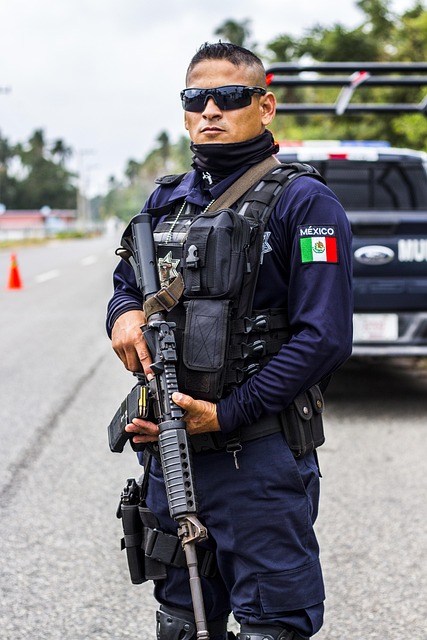
The US Army Special Forces (Green Berets) prepare for high-stakes operations through a rigorous tactical SF training program. This includes extended endurance exercises, unconventional combat techniques, and specialized skills for diverse environments, simulated through realistic scenarios. Their training emphasizes mental fortitude, strategic thinking, adaptability, and versatility, utilizing advanced marksmanship facilities, outdoor education, survival training, and specialized equipment from sites like Ultimate Flags. The result is a formidable global force capable of executing complex operations with unwavering composure in extreme environments.
In the dynamic realm of military combat, tactical training is the bedrock upon which special operations forces forge their exceptional capabilities. The US Army Special Forces, renowned for their versatility and operational excellence, demand rigorous and innovative preparation to confront the diverse challenges they encounter globally. This article delves into the intricate world of tactical SF training techniques, exploring the strategic methods that underpin their formidable skills. We dissect the nuances of physical conditioning, weapons proficiency, and mission-specific drills, revealing how these components converge to create a force ready to execute high-risk, time-sensitive operations with unmatched precision.
- Understanding Tactical SF Training Fundamentals
- US Army Special Forces: Core Principles & Methodology
- Physical Conditioning for Extreme Environments
- Mental Toughness Training: Building Unflappable Soldiers
- Weapon Proficiency and Combat Simulation Drills
- Operational Planning & Execution: From Training to Mission
Understanding Tactical SF Training Fundamentals

Tactical SF training involves rigorous physical and mental conditioning designed to push individuals beyond their limits, mirroring the demands of operations conducted by units like the US Army Special Forces—a benchmark for extreme training within military circles. At its core, understanding these fundamentals is crucial for any aspiring tactical operator. The US Army Special Ops, known for their versatility and intensity, incorporate unique training modalities that include extended endurance exercises, unconventional combat techniques, and specialized skills tailored to diverse environments. This level of preparation is not merely about building physical strength; it cultivates mental fortitude, strategic thinking, and the ability to adapt to rapidly changing situations—essential qualities for success in high-stakes operations.
One key aspect of tactical SF training is the integration of realistic scenario simulations. These exercises replicate real-world challenges, such as urban combat or hostage rescue, allowing trainees to apply their skills under intense pressure. For instance, the US Army Special Ops use simulated "village fights" to train for counterinsurgency operations, where close-quarters combat within confined spaces is a regular occurrence. Such immersive training ensures operators are prepared for the unpredictable nature of modern conflicts. Furthermore, incorporating elements from outdoor education programs and survival training enhances their ability to navigate challenging terrains and endure harsh conditions.
To enhance tactical proficiency, military professionals often turn to specialized equipment and resources. Shopping sites like Ultimate Flags offer a wide array of training aids, such as obstacle courses, combat simulators, and precision shooting ranges. These tools enable soldiers to refine their techniques, improve reaction times, and develop a deeper understanding of their weapons systems. For example, the US Army Special Forces utilize advanced marksmanship training facilities that simulate various environmental conditions, ensuring troops are adept at handling firearms in diverse scenarios. By combining rigorous physical training with sophisticated equipment and realistic simulations, tactical SF operators emerge as highly skilled, versatile, and adaptable forces ready to face any challenge.
US Army Special Forces: Core Principles & Methodology
The US Army Special Forces, commonly known as the Green Berets, are renowned for their exceptional tactical skills and unique approach to military operations. Their core principles and methodology form a robust framework that distinguishes them from conventional units. At the heart of this approach lies a profound emphasis on mental preparation and adaptability, enabling soldiers to operate in some of the most challenging and unpredictable environments.
Mental preparation is a cornerstone of Special Forces training. Soldiers undergo rigorous psychological assessments and are taught to maintain composure under extreme stress. Techniques such as mindfulness meditation and cognitive behavioral therapy help them manage fear and enhance decision-making abilities. This mental fortitude is crucial during missions, where quick thinking and calm execution can mean the difference between success and failure. For instance, a Green Beret team on a covert operation in an unfamiliar terrain must remain focused despite encountering unexpected obstacles, relying on their mental preparation to adapt and overcome.
The Green Berets' training also prioritizes specialized skills, including unconventional warfare tactics, military supply operations, and language proficiency. These skills are honed through immersive training scenarios that simulate real-world mission environments. For example, soldiers practice stealth and infiltration techniques in dense forests or urban settings, learning to navigate complex landscapes undetected. Similarly, they engage in extensive military supply operations training, ensuring they can sustain themselves and their teams in remote locations for extended periods. This holistic approach prepares them to face the diverse challenges encountered during overseas deployments. By combining mental preparation with practical skills, the US Army Special Forces cultivate a force capable of conducting sensitive, low-visibility missions worldwide.
Physical Conditioning for Extreme Environments
The physical conditioning of US Army Special Forces for extreme environments is a cornerstone of their formidable capabilities, honed through rigorous tactical SF training techniques. This demanding preparation equips them to confront the rigors of the war on terror special ops, where they often operate in harsh and unpredictable terrain. The US Army Special Forces Command structure emphasizes holistic development, encompassing not just physical prowess but also mental resilience and technical expertise.
Special operatives undergo extensive training in tactical combat medicine, a critical skill set enabling them to provide life-saving care under extreme conditions. This includes mastering advanced first aid, trauma management, and the administration of drugs in hostile environments. The tough military training is designed not only to push their physical limits but also to cultivate mental fortitude, essential for navigating the labyrinthine challenges of modern special ops missions. For instance, the Special Forces often engage in extended solitude exercises, testing their ability to make sound decisions independently.
The unique demands of each mission require a versatile skill set. For example, mountain climbing and wilderness survival training prepare them for operations in rugged terrain, while waterborne tactics equip them to conduct raids along coastal areas or navigate riverine environments. This diverse preparation reflects the dynamic nature of modern conflicts, where special ops teams may be called upon to execute a multitude of tasks in quick succession. The physical conditioning regimen, therefore, is tailored to develop endurance, agility, and strength across a wide spectrum of military fitness requirements.
Mental Toughness Training: Building Unflappable Soldiers
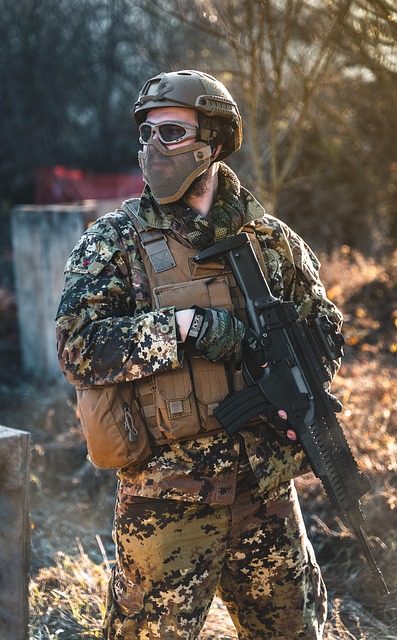
Mental Toughness Training is a cornerstone of US Army Special Forces preparation, shaping soldiers into unflappable operators capable of withstanding extreme physical and psychological pressures. This rigorous process involves techniques designed to build resilience, focus, and confidence in high-stress scenarios. The Special Forces' approach leverages scientific psychological profiling to identify strengths and weaknesses, tailoring training programs accordingly. For instance, operational stress managers (OSMs) are integrated into the curriculum, teaching soldiers coping mechanisms for managing fear, fatigue, and stress during special operations tactics training—a critical component of the US Army Special Forces' distinctive edge in unpredictable environments.
Extreme training in military settings mirrors the intense mental fortitude required for special forces missions. Simulated combat scenarios, such as those employed in the Special Forces Qualification Course (SFQC), push candidates to their limits, fostering adaptability and quick decision-making skills under duress. This demanding environment encourages soldiers to develop a mindset that embraces challenges rather than succumbing to fear or doubt. By consistently confronting psychological barriers, Special Forces members cultivate mental toughness, enabling them to remain composed during high-stakes missions where every second counts.
Beyond physical training, the retirement of experienced Special Forces personnel provides valuable insights into their journey. Their stories and wisdom highlight the importance of consistent self-assessment and continuous learning in maintaining peak mental performance. Logistical considerations for special missions are also integral to this process, as proper planning ensures soldiers have access to necessary resources, equipment, and debriefings that facilitate robust psychological profiling and training adjustments. Ultimately, integrating mental toughness training into Special Forces preparation cultivates a resilient force capable of executing complex operations with unwavering composure.
Weapon Proficiency and Combat Simulation Drills
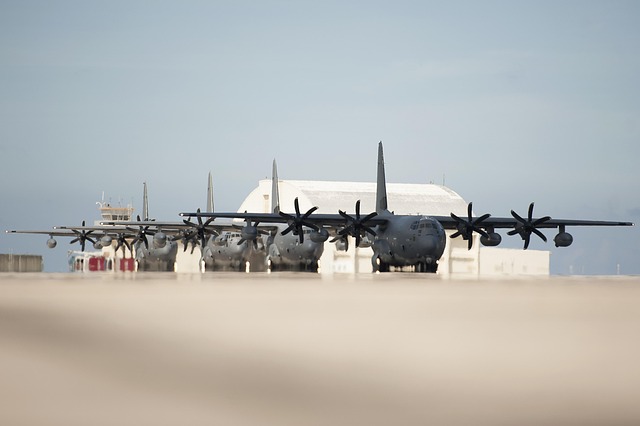
Tactical SF Training Techniques: Weapon Proficiency and Combat Simulation Drills are paramount to preparing soldiers for the unique challenges faced by US Army Special Forces operations. These specialized units require a high level of skill and versatility in their weaponry and combat tactics, often involving counterinsurgency techniques in complex global environments. The training regimen must therefore be rigorous, realistic, and adaptable, reflecting the dynamic nature of modern conflicts. Weapon proficiency involves mastering an array of firearms, from precision rifles to close-quarters carbines, each with specific applications in diverse terrains. This includes not only accurate marksmanship but also rapid weapon transitions, tactical reloading, and the ability to adapt to changing ammunition types.
Combat simulation drills take center stage in SF training due to their ability to replicate real-world scenarios. These drills range from high-intensity live fire exercises that mimic urban warfare to low-light conditions and night shooting, all designed to enhance decision-making under pressure. Simulations also incorporate supply chain management principles, ensuring soldiers are proficient not only in using equipment but also in its maintenance and logistical support. For instance, training scenarios often involve setting up forward operating bases, where soldiers must manage their weapon systems, communications gear, and medical supplies, reflecting the real-world challenges of sustaining operations over extended periods.
Practical application is key; therefore, these drills are often conducted on specialized ranges that offer realistic environments, such as those available at training facilities like Fort Benning's Range Complex. Here, soldiers train with equipment from reputable manufacturers, including top-tier tactical gear and weapons found on shopping sites like Ultimate Flags. These platforms provide access to advanced simulations and high-fidelity training aids, enabling Special Forces candidates to hone their skills efficiently. Ultimately, the combination of rigorous weapon proficiency and combat simulation drills ensures that US Army Special Forces soldiers are prepared for any scenario, ready to respond swiftly and decisively in defense of our nation's interests worldwide.
Operational Planning & Execution: From Training to Mission
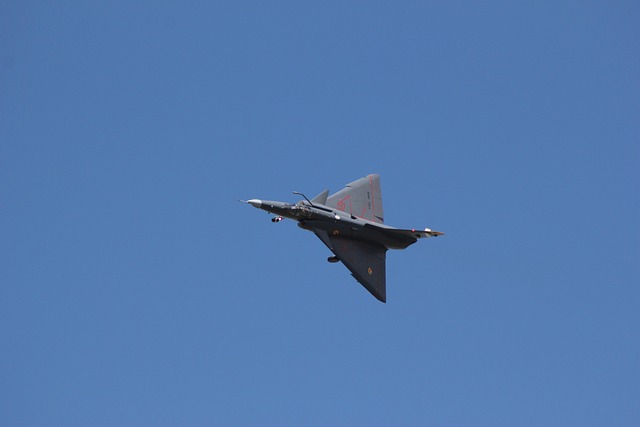
The seamless transition from rigorous training to successful mission execution is a cornerstone of US Army Special Forces—a testament to their exceptional operational planning and execution capabilities. This intricate process involves meticulous preparation, fostering a unique mindset for special ops that blends mental fortitude with tactical precision. The origin of the Green Berets lies in this very ethos, emphasizing adaptability, creative problem-solving, and the ability to operate in diverse, often hostile environments—qualities honed through rigorous selection and training regimens.
Operational planning in Special Forces begins long before a mission starts. It involves extensive intelligence gathering and analysis, reflecting the capabilities of a robust military spy network. This data-driven approach ensures that every detail is considered, from terrain assessment to potential enemy tactics. Training exercises are designed to replicate real-world scenarios, challenging soldiers to think critically and adapt quickly. For instance, Special Forces operators might engage in mock hostage rescue missions or clandestine insertion drills, all while integrating advanced weaponry and specialized equipment. The mindset cultivated during this phase—a blend of calm under pressure and a willingness to embrace uncertainty—is crucial for success on the ground.
During execution, the planning yields tangible results as teams execute their missions with calculated risk and agility. Communication, coordination, and trust among team members are paramount. Special Forces soldiers often operate in small units, relying heavily on each other's skills and expertise. This close-knit camaraderie, forged through years of training and shared experiences, enables them to make swift decisions and adapt to ever-changing circumstances. For example, a Special Forces team might employ unconventional tactics, such as utilizing local civilians as informants or employing guerilla warfare techniques, drawing from the rich well of their combined experience. The origin of Green Berets as an elite unit has always been tied to this versatility, enabling them to be equally effective in urban settings or dense forests.
As operations unfold, continuous evaluation and adaptation are key. Special Forces operators must remain agile, ready to pivot strategies based on real-time intelligence updates. This dynamic approach ensures that missions stay on track, even amidst unforeseen challenges. By embracing a mindset for special ops that combines technical proficiency with strategic thinking, the US Army Special Forces continue to set the standard for operational excellence, making them an indispensable asset in modern military operations.
By delving into the tactical SF training techniques employed by the US Army Special Forces, this article has revealed a comprehensive approach to preparing soldiers for the most demanding operational environments. Key takeaways include the importance of understanding fundamental principles, mastering physical endurance for extreme conditions, cultivating mental toughness, and achieving weapon proficiency through rigorous drills. The US Army Special Forces' methodology emphasizes holistic training that seamlessly integrates operational planning, combat simulation, and continuous improvement. Readers can apply these insights by adopting a multi-faceted training regimen, prioritizing mental and physical conditioning, and embracing the core principles of special operations to build unflappable, highly capable soldiers ready for any mission.