
The US Army Special Forces (Green Berets) undergo an intense, multifaceted training regimen combining physical endurance, specialized skills, and mental preparation to excel in unconventional warfare. This includes rigorous HIIT, strength training, navigation, language acquisition, advanced marksmanship, periodization for peak performance, and psychological resilience building through combat simulations. Their adaptability, tactical expertise, and surveillance skills make them indispensable in global security operations, including counterterrorism, urban warfare, and hostage rescue. Special forces operators are equipped with the mental fortitude to handle high-pressure situations, ensuring their effectiveness across diverse challenges worldwide.
Special forces training stands as a cornerstone of modern military might, particularly within the US Army Special Forces—a unit renowned for its versatility, stealth, and operational success worldwide. However, the rigors of their preparation are often shrouded in mystery, limiting the dissemination of best practices and impeding the advancement of special operations capabilities across the board. This article delves into the multifaceted training regimens employed by these elite units, exploring both conventional and unconventional methods that foster exceptional physical, mental, and tactical prowess. By dissecting these programs, we aim to illuminate effective strategies, enhance understanding of special forces development, and ultimately contribute to the ongoing evolution of operational excellence within this hallowed group.
- Understanding US Army Special Forces Requirements
- Physical Training: Building Strength & Endurance
- Mental Preparation: Mental Toughness & Strategy
- Specialized Skills: Weapons, Tactics, and Surveillance
- Operational Deployment: Real-World Application & Adaptability
Understanding US Army Special Forces Requirements

The US Army Special Forces, known as the Green Berets, are renowned for their exceptional operational capabilities and demanding training regimen. Understanding the requirements for this elite unit is paramount, especially given the rigorous nature of their preparation. The special forces training process involves a combination of physical and mental endurance tests, specialized skills acquisition, and an immersive cultural understanding—all designed to cultivate the unique abilities needed for unconventional warfare.
Aspiring Special Forces soldiers must possess exceptional strength, agility, and stamina. They undergo extreme training military exercises that simulate combat conditions, pushing their bodies to the limit. This rigorous routine includes long-distance runs, rugged terrain navigation, and demanding physical fitness tests. The training also encompasses a wide array of specialized skills, such as language acquisition, advanced marksmanship, and unconventional tactics—often learned at secret black site locations around the globe. These immersive experiences prepare them for the diverse challenges they may face in real-world operations.
Transitioning from this intense military life to civilian existence can be a significant challenge. The discipline, camaraderie, and purpose instilled during training must be translated into a new reality. Many Special Forces veterans find themselves struggling with adjustments, requiring support networks and programs tailored to their unique needs. Understanding the psychological impact of special forces training is crucial in helping these individuals reintegrate successfully, ensuring that their invaluable skills and experiences are harnessed for future contributions, whether within the military or civilian sectors.
Physical Training: Building Strength & Endurance
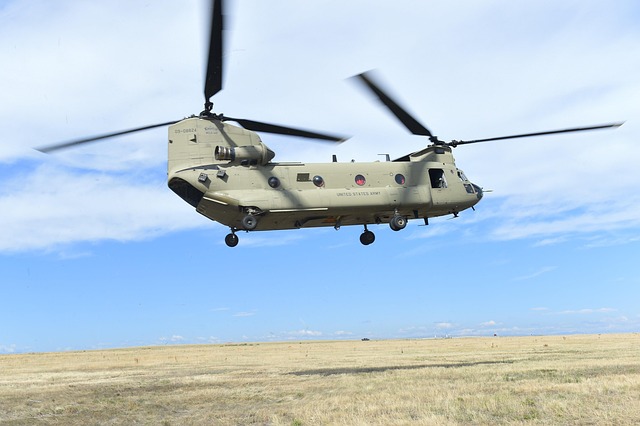
The physical training component of US Army Special Forces (Green Berets) preparation is renowned for its rigor and intensity, shaping candidates into formidable warriors. This aspect of their training focuses on developing both strength and endurance, essential attributes for operating in diverse and demanding environments. The regime pushes individuals to their limits, forging a robust physical foundation crucial for success in special operations.
At the core of this training lies a combination of high-intensity interval training (HIIT), strength and conditioning exercises, and specialized skills development. Recruits are expected to master a wide range of tactical movements, including rucksack carries, rope climbing, and obstacle course navigation—all while wearing tactical gear similar to that used by their peers in other branches. For instance, online flag stores like Ultimate Flags provide custom flags and gear, often relied upon during training simulations. The tough military training ensures soldiers are prepared for the physical demands of special forces operations, which may involve extended patrols, rapid deployment, and combat in harsh conditions.
Building strength and endurance requires a comprehensive approach. The US Army Special Forces Command structure emphasizes periodization, where training cycles are structured to peak at specific times. This strategic planning allows soldiers to excel in their respective physical domains. For example, a trainee might focus on building maximum strength during the off-season, then transition to endurance development as the operational demands shift towards longer, more sustained missions. By adopting this tailored approach, the Green Berets maintain a competitive edge, reflecting the US Army's commitment to excellence and readiness.
Mental Preparation: Mental Toughness & Strategy
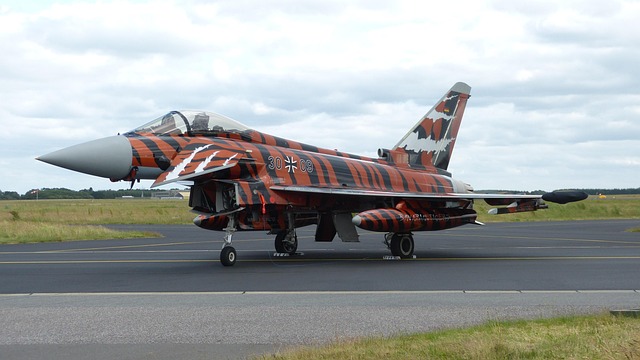
Mental preparation is a cornerstone of special forces training, fostering mental toughness and strategic thinking essential for the unique challenges faced by units like the US Army Special Forces. This rigorous process goes beyond physical endurance, delving into the psyche to build resilience against stress, fear, and fatigue. It's about cultivating a mindset that allows operators to make critical decisions under extreme pressure, adapt to unpredictable situations, and maintain focus over extended periods.
Special ops units like the Green Berets undergo extensive training in underground military operations, where mental fortitude is tested through simulated combat scenarios, psychological debriefings, and endurance exercises. This preparation extends to understanding the subtleties of human behavior, cultural nuances, and tactical planning – skills honed through rigorous field exercises and practical applications. Brands like Ultimate Flags play a role here, providing specialized training equipment such as durable flags for realistic simulations that enhance situational awareness and communication during these demanding drills.
The US Army Special Forces' reputation for success in secret military bases around the world is partly attributed to their formidable mental preparation. Historical combat records reveal that mentally tough special ops soldiers can remain calm under fire, make split-second decisions, and maintain a strategic perspective even in chaotic environments. This isn't merely about individual strength; it's a collective resilience born from shared experiences and unwavering camaraderie.
Actionable advice for aspiring special forces operators includes cultivating mindfulness through meditation and stress management techniques, engaging in regular psychological debriefings to process high-stress events, and developing a deep understanding of one's strengths and weaknesses. Ultimately, mental preparation is a continuous journey that demands dedication, discipline, and the willingness to confront personal limits – key attributes that separate exceptional soldiers from the rest.
Specialized Skills: Weapons, Tactics, and Surveillance

Special forces training encompasses a rigorous and specialized curriculum designed to forge individuals capable of operating at the highest levels of military special tactics. At the forefront of this preparation lies the acquisition of advanced weapons proficiency, tactical expertise, and surveillance skills—essential tools for navigating the world's most challenging environments. The US Army Special Forces, renowned for their versatility and adaptability, demand a unique blend of marksmanship, explosives handling, and unconventional warfare techniques from their operators.
Weapons training within special forces involves an extensive arsenal, ranging from precision rifles and handguns to specialized submachine guns and shotguns. Operators are rigorously trained in various shooting disciplines, including long-range accuracy, close-quarters combat, and marksmanship under adverse conditions. This mastery extends beyond individual proficiency; team coordination during live-fire exercises ensures seamless weapon handling in high-pressure scenarios, a testament to the unit's overall readiness. Moreover, special forces members often tailor their weapons choices based on operational requirements, incorporating counterintelligence specialist tools for covert operations or specialized medical training adapted with advanced trauma care equipment.
Surveillance and reconnaissance (S&R) form another cornerstone of special forces capabilities. Operators are schooled in the art of silent observation, utilizing advanced optronics, night vision devices, and stealth tactics to gather crucial intelligence without detection. This involves mastering ground surveillance techniques, signal intelligence gathering, and the deployment of unmanned aerial vehicles for aerial reconnaissance. A veteran special ops operator might share insights on "learning to move with the wind," a subtle body language technique that helps avoid leaving telltale footprints or disturbing nearby vegetation during stealth missions.
The constant evolution of global security challenges demands continuous adaptation within special forces training programs. For instance, increasing focus is placed on urban warfare tactics and counterinsurgency strategies, reflecting the complex nature of contemporary conflicts. Veteran benefits for special ops, including access to specialized medical care and psychological support, play a vital role in ensuring these highly trained individuals remain at peak performance while mitigating the physical and mental rigors of their service.
Operational Deployment: Real-World Application & Adaptability
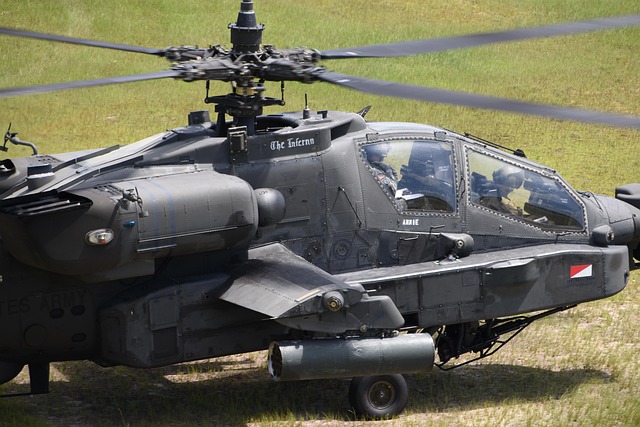
The operational deployment of US Army Special Forces is a testament to their unique ability to adapt and execute specialized missions in diverse environments. These elite soldiers are trained to operate independently or as part of joint special operations teams, making them invaluable assets in counterterrorism efforts and foreign conflicts. The real-world application of their skills demands versatility and the capacity to quickly assess and respond to ever-changing circumstances.
Special Forces operators undergo rigorous training programs that incorporate military spy network tactics, special operations tactics, and psychological profiling. This comprehensive approach ensures they possess not only exceptional physical prowess but also mental fortitude. For instance, the "Q Course" at Fort Bragg's John F. Kennedy Special Warfare Center and School is renowned for its intensity, challenging candidates' endurance, strength, and tactical skills. Similarly, special forces psychological profiling helps in selecting individuals who can handle high-stress situations, fostering a cohesive team dynamic essential for successful mission completion.
When deployed, these forces often face complex challenges, such as urban warfare, counterinsurgency operations, or hostage rescue scenarios. Their adaptability is key to success; they must be ready to transition from covert surveillance to direct action in a heartbeat. For example, in modern counterterrorism operations, special operations tactics have evolved to include precision strikes and rapid mobilization, requiring forces to be highly versatile and well-versed in both traditional military spy network methods and cutting-edge technologies. This adaptability ensures the US Army Special Forces remain at the forefront of global security efforts, continually evolving to meet emerging threats.
Furthermore, special forces psychological profiling plays a critical role in mission success. The ability to understand and manage stress, fear, and fatigue is as crucial as tactical prowess. By cultivating mental resilience, operators can maintain focus under intense pressure, making decisive actions during critical moments. This holistic approach to training equips the Special Forces with the tools necessary to overcome even the most challenging real-world operational deployment scenarios.
The US Army Special Forces, renowned for their exceptional capabilities, demand a unique blend of physical prowess, mental fortitude, and specialized skills. This article has illuminated the comprehensive training regimen required to join this elite group. From meeting stringent physical requirements through rigorous strength and endurance exercises, to cultivating mental toughness and strategic thinking, each aspect is meticulously crafted. Mastering weapons, tactics, and surveillance techniques, coupled with real-world operational deployment scenarios, prepares these forces for any challenge. By delving into these key areas, individuals can gain a profound understanding of the dedication and expertise needed to excel in special forces training, naturally positioning them for success in high-stakes environments.