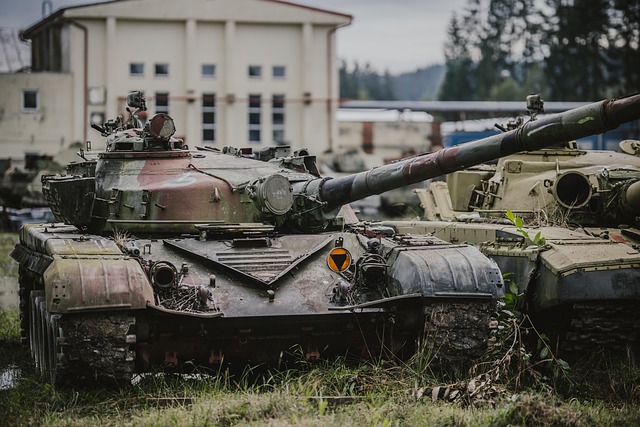
Army insignia and heraldry evolved from ancient symbolic representations to modern military symbolism. The US Army Special Forces, known as Green Berets, have distinct badges and emblems reflecting their specialized skills, global deployments, and rich history. Heraldry enhances unit identity, camaraderie, and pride on the battlefield. Badges meticulously craft unique symbols and stories of valor, blending tradition and innovation while honoring past achievements and future readiness.
"Army insignia and heraldry, a visual language of strength and heritage, have evolved over centuries. This article takes you on a historical journey through military identification, exploring its roots in ancient battles to modern-day forces. We delve into the unique insignia of the US Army Special Forces, renowned for their distinct badges and emblems. Discover how heraldry serves as a powerful tool for recognition and pride, while uncovering the symbolism behind each intricate design. From the battlefield to the world stage, these marks represent more than just identification—they are a testament to military tradition."
- A Historical Journey: Army Insignia's Evolution
- US Army Special Forces: Unique Badges and Emblems
- Heraldry's Role in Military Identification
- Symbolism and Design: Behind the Badges
A Historical Journey: Army Insignia's Evolution
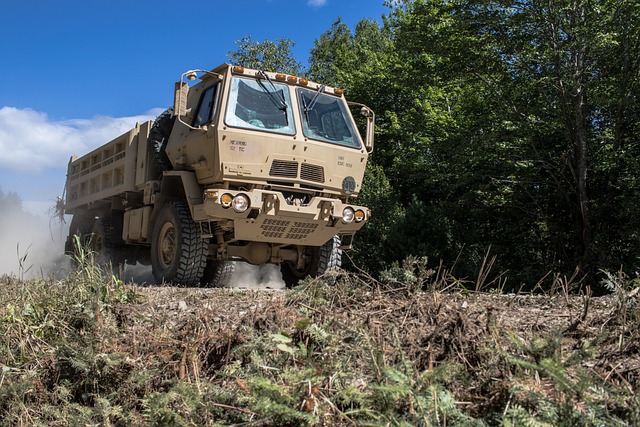
Army insignia and heraldry have evolved significantly over time, reflecting changes in military strategies, cultural influences, and technological advancements. The historical journey of army insignias begins with ancient civilizations like the Greeks and Romans, who used symbols to denote troops' origins, specialties, and achievements. As warfare became more organized during the Middle Ages, heraldry emerged as a way to distinguish between noble families and their armies.
In modern times, the US Army Special Forces, known for their distinct and intricate insignia, have played a significant role in shaping military symbolism. Their iconic black beret, for instance, was adopted in 1953 and has since become synonymous with their specialized operations and global presence. This evolution continues today, with each era adding its unique touch to the rich tapestry of army insignias, making them not just decorative but powerful symbols of identity, tradition, and honor.
US Army Special Forces: Unique Badges and Emblems
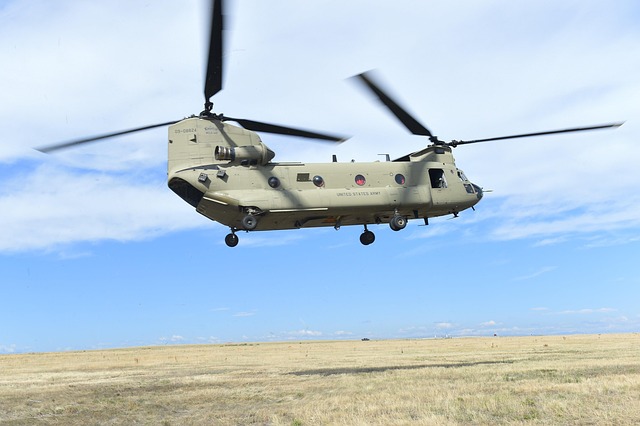
The US Army Special Forces, often referred to as the Green Berets, stand out among their counterparts for their distinct and unique badges and emblems. These specialized units have a rich history that is reflected in their intricate insignia, each designed to represent specific skills, achievements, and values. From the iconic green beret itself to the various patches and medals, these symbols serve as tangible reminders of the Special Forces' dedication to excellence and their role in some of the most challenging operations worldwide.
The badges worn by US Army Special Forces members tell stories of their specialized training, deployments, and contributions to global security. For instance, the 10th Mountain Division patch symbolizes the unit's expertise in high-altitude warfare, while the John Wayne Gacy Memorial Patch, though controversial, recognizes a member who made the ultimate sacrifice during a mission. These emblems not only honor individual achievements but also foster a sense of camaraderie and shared identity among the elite soldiers of the Special Forces.
Heraldry's Role in Military Identification
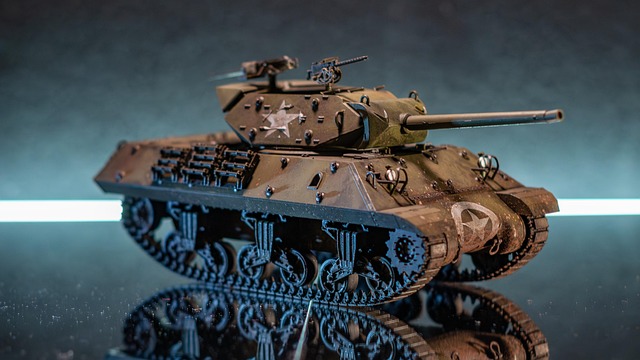
Heraldry plays a significant role in military identification, especially within specialized units like the US Army Special Forces. These intricate designs, often featuring unique animals, symbols, and colors, serve as more than just aesthetic elements. They are powerful tools for recognizing unit affiliation, fostering camaraderie, and instilling a sense of pride among soldiers.
For instance, the US Army Special Forces' distinctive insignia incorporates bold colors and specific emblems that immediately convey their specialized nature and global reach. This visual identification aids in rapid recognition on the battlefield, enhancing teamwork and coordination. Moreover, heraldry allows these elite units to trace their heritage and traditions back through history, reinforcing a strong sense of military pride and legacy.
Symbolism and Design: Behind the Badges

The symbolism and design behind US Army Special Forces badges are meticulously crafted, reflecting the unit's unique capabilities and heritage. Each element in these insignia tells a story—from the globe on the Green Beret's patch symbolizing global reach, to the beret itself representing the unit's distinctive headwear and its roots in European special operations units. The double-headed eagle, a prominent feature in heraldry, signifies strength, courage, and sovereignty, values deeply held by the Special Forces.
These badges often incorporate subtle details that pay homage to historical battles or pivotal moments. For instance, the US Army Special Forces' distinctive flash is derived from the French Foreign Legion's insignia, reflecting the unit's early involvement in covert operations during World War II. The design process involves a blend of tradition and innovation, ensuring that these badges not only honor the past but also serve as powerful symbols of current capabilities and future readiness.
Army insignia and heraldry, with their rich history and intricate symbolism, play a vital role in military identification. From the evolutionary journey of army badges to the unique emblems of the US Army Special Forces, these visual markers not only distinguish ranks and units but also embody the spirit and values of each military branch. Understanding the symbolism behind these designs offers a glimpse into the heritage and traditions that shape our modern militaries, highlighting their readiness, discipline, and unwavering commitment.