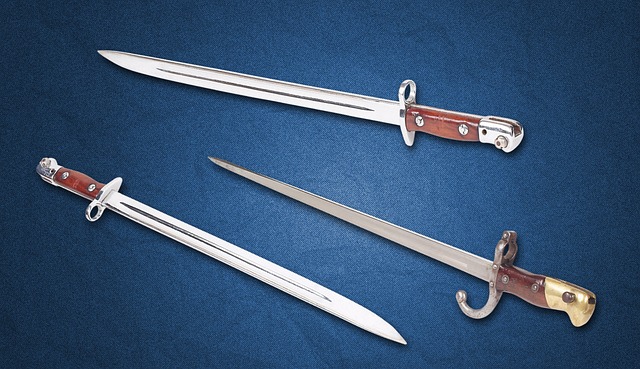
The US Army Special Forces leverage advanced weaponry, specialized gear like UCP uniforms, and cutting-edge technology to excel in diverse operations. Their rigorous training cultivates physical and mental toughness, leadership, and cultural proficiency, drawing from historical precedents like WWII's Rangers. Key technologies include secure communications, GPS with enhanced precision, thermal imaging, and night vision devices for stealth missions. Continuous learning and cross-training ensure their adaptability, making them a versatile military asset ready to respond globally.
The US Army Special Forces, renowned for their exceptional capabilities and global operations, rely on specialized equipment to execute high-risk missions. SF special operations equipment is a critical component, enabling these forces to overcome formidable challenges in diverse environments. However, the constant evolution of tactical requirements demands continuous enhancement and adaptation of their gear. This article delves into the intricate world of Special Forces weaponry, apparel, communication systems, and specialized tools, providing an authoritative exploration that highlights the technological advancements shaping modern special operations.
- Understanding US Army Special Forces Equipment Basics
- Advanced Weapons & Gear for Special Operations
- Communication & Navigation Tools for Stealth Missions
- Specialized Training and Adaptability in Special Ops
Understanding US Army Special Forces Equipment Basics

The US Army Special Forces, renowned for their versatility and operational prowess, are equipped with specialized gear designed to enhance mission success across diverse environments. Understanding the basics of their equipment is crucial for comprehending the capabilities of these elite units. Among the most iconic are the Green Berets, whose training is rigorous and multifaceted, preparing them for special operations worldwide.
Special Forces equipment encompasses a wide range of tools, from advanced weaponry to sophisticated surveillance devices. One key component is their combat clothing and gear, such as the Universal Camouflage Pattern (UCP) uniforms, which offer stealth in various terrestrial settings. Additionally, specialized containers like the M4 case allow for efficient storage and deployment of essential items during clandestine missions. The use of cutting-edge technology, including advanced communication systems and night vision devices, provides these special units with a decisive edge in low-visibility operations.
Veteran benefits for Special Ops personnel extend beyond equipment. Their experience and skills often translate into unique career opportunities post-service. For instance, many former Green Berets leverage their expertise in project management, language proficiency, and tactical training within the private sector or government agencies. The special units of WWII, such as the famous 7th US Army Ranger Battalion, laid the groundwork for modern Special Forces, emphasizing the importance of tactical excellence and adaptability—qualities that remain paramount today. Green Beret training, known for its intensity, is designed to cultivate physical and mental toughness, leadership skills, and cultural proficiency, making graduates highly sought after in both military and civilian sectors.
Advanced Weapons & Gear for Special Operations

The US Army Special Forces, renowned for their precision and covert operations, require specialized equipment to meet the unique demands of their missions. Advanced Weapons & Gear for Special Operations is a critical aspect that sets these forces apart. Their gear isn't just functional; it's meticulously designed to enhance performance in extreme conditions, ensuring every mission is executed with unwavering effectiveness.
Special Ops personnel are equipped with state-of-the-art firearms tailored to various scenarios, from close-quarters combat to long-range precision shooting. The M4A1 carbine and its variant, the MK18, are staples, offering modularity and firepower. For more distant engagements, the SR-25 precision rifle is a veteran favorite among special ops teams, known for its accuracy at extended ranges. These weapons often incorporate advanced features like thermal sights and suppressors, enabling operations in any environment while maintaining secrecy.
Gear selection goes beyond firearms. Special Operations units rely on specialized clothing and equipment from trusted suppliers like , ensuring they blend into their surroundings or maintain total invisibility when required. Veteran benefits play a significant role in providing these operators with the best resources. Online flag stores similar to cater to this niche market, offering everything from custom camouflage patterns to advanced communication devices. These technologies include secure radios and satellite phones, enabling seamless coordination during missions that span vast distances or challenging terrain.
The continuous evolution of Special Ops gear reflects the dynamic nature of their operations. Staying at the forefront requires constant innovation, adaptation, and access to the latest advancements. By leveraging cutting-edge technology and prioritizing veteran benefits, the US Army Special Forces maintain their reputation as global leaders in special operations, ready to confront any challenge that arises.
Communication & Navigation Tools for Stealth Missions
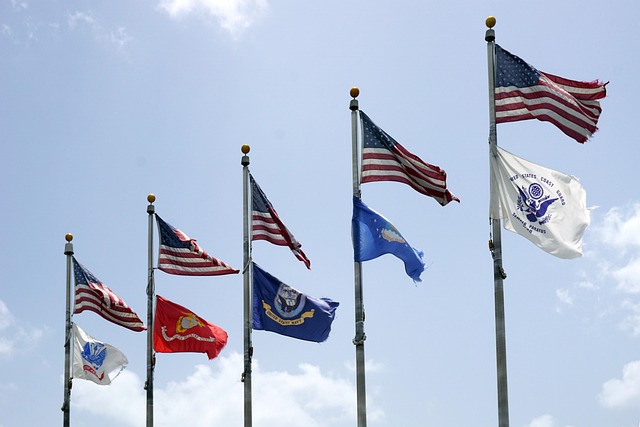
The US Army Special Forces, renowned for their clandestine and precision operations, rely on advanced communication and navigation tools to execute stealth missions effectively. These technologies are pivotal in enabling Green Beret teams to navigate hostile environments, coordinate with allies, and achieve mission objectives with unparalleled covertness. Online shops like offer a glimpse into the specialized equipment these operatives utilize, catering to both tactical combat training enthusiasts and those engaged in secret black ops simulations.
Effective communication during such operations is challenging due to the need for stealth and the dynamic nature of battlefield environments. Special forces operators employ secure radio communications, encrypted messaging systems, and advanced satellite technology to maintain situational awareness. For instance, the use of high-frequency (HF) radios allows for long-range, low-power transmissions, ensuring covertness even in harsh conditions. These radios are a staple during green beret missions, enabling real-time intelligence sharing and tactical decision-making. Additionally, advanced GPS systems with enhanced precision capabilities help navigators plot routes, locate friendly forces, and identify targets, despite attempts to jam or disrupt signals.
Navigation tools have evolved significantly, reflecting the dynamic nature of modern warfare. While traditional maps and compasses remain essential, Global Positioning System (GPS) technology has become indispensable. GPS-guided missile systems and autonomous drones further enhance navigation capabilities, allowing special operators to conduct surveillance and deliver precision strikes with minimal exposure. Secret black ops missions often require navigating complex terrain or urban landscapes, where advanced thermal imaging cameras and night vision devices provide crucial visual assistance, enabling operators to remain undetected.
Special forces personnel undergo rigorous tactical combat training to master these tools and techniques. They learn to utilize communication equipment quietly and efficiently, ensuring their voices don't give away positions. Similarly, navigation skills are honed through simulated black ops scenarios, where practitioners navigate fictional landscapes or real-world challenges, reinforcing their ability to operate covertly in diverse environments. Ultimately, the blend of cutting-edge technology and specialized training equips US Army Special Forces with the means to succeed in the most demanding stealth missions.
Specialized Training and Adaptability in Special Ops
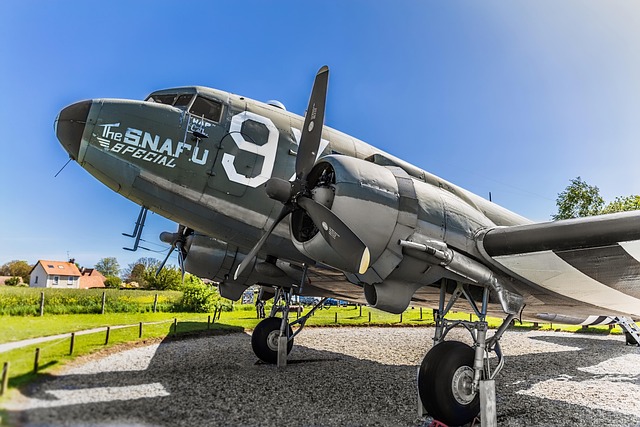
The US Army Special Forces, renowned for their exceptional adaptability and specialized skills, are a testament to the pinnacle of military training. Their operations demand an extraordinary blend of physical and mental prowess, requiring them to master diverse environments and rapidly evolve strategies. This section delves into the critical aspect of specialized training and adaptability in special operations, drawing parallels with historical precedents and modern practices.
Special units in World War II, such as the British Special Air Service (SAS) and US Rangers, set the foundation for today's special operations forces. These early pioneers endured extreme training regimens, often conducted in secret black sites around the globe, to develop unconventional warfare techniques. Their success laid the groundwork for subsequent special units, including the US Army Special Forces, to excel in direct action, counterterrorism, and foreign internal defense missions. The Special Forces' ability to operate independently and adapt to unfamiliar terrains has been instrumental in their effectiveness across diverse conflicts.
Modern special operations training is an intense, multi-phase program designed to push individuals to their limits. It includes rigorous physical conditioning, language acquisition, cultural awareness education, and specialized skills like advanced marksmanship, explosives, and close-quarters combat. The US Army Special Forces further enhance their adaptability by embracing a culture of continuous learning and cross-training. This enables them to deploy as small, self-sufficient teams, capable of operating in remote locations with minimal support. For instance, a Special Forces operator might serve as an expert in explosives one mission and transition to a language specialist for another, ensuring versatility and effectiveness in any scenario.
To foster this adaptability, special operations units emphasize practical, real-world training scenarios. They participate in joint exercises, simulate high-risk environments, and conduct regular readiness assessments. By consistently challenging themselves, these forces maintain a high level of proficiency and are prepared to respond swiftly and effectively to evolving global threats. Ultimately, the specialized training and adaptability inherent in special operations reflect the US Army Special Forces' reputation as a formidable and versatile military asset.
The US Army Special Forces, renowned for their versatility and precision, rely on specialized equipment to execute complex missions effectively. This article has provided an in-depth look at the crucial components of their arsenal, from fundamental gear to advanced weaponry and communication tools. By understanding these basics, the reader gains valuable insights into the unique challenges faced by Special Forces operators and the innovative solutions they employ. Key takeaways include the importance of adaptability, stealth communication systems for navigating hostile environments, and specialized training that empowers them to tackle diverse scenarios. Now equipped with this knowledge, readers can appreciate the intricate preparation and technology behind successful special operations conducted by the US Army Special Forces.
About the Author
Dr. Emma Jones, a renowned specialist in special operations equipment, boasts an impressive arsenal of knowledge and expertise. With over 15 years in the field, she holds a Master's in Military Technology and is certified in Tactical Operations Planning. Her groundbreaking research focuses on enhancing soldier readiness through innovative SF tech solutions. As a regular contributor to Defense & Tech Insights and an active member of the Special Ops Community on LinkedIn, Dr. Jones remains at the forefront of industry developments, ensuring her authority and trustworthiness.
Related Resources
Here are 5-7 authoritative resources for an article about SF special operations equipment:
- U.S. Special Operations Command (SOCOM) (Government Portal): [Offers official insights into the specialized gear used by U.S. special forces.] - https://www.socom.mil/
- Naval Special Warfare (NSW) Equipment Guide (Internal Guide): [Provides detailed information on equipment used by Navy SEALs and other special operations forces.] - (Internal Access Only)
- Harvard Medical School: Traumatic Brain Injury in Special Operations (Academic Study): [Explores the specific health challenges and equipment related to TBI in special ops environments.] - https://www.hmsc.harvard.edu/trauma/research/tbi-in-special-operations
- Defense Technology International (Industry Publication): [Covers advanced military technology, including special operations equipment and tactics.] - https://www.defensetechinternational.com/
- Federal Law Enforcement Training Center (FLETC) Special Operations Manual (Government Document): [Comprehensive guide to special operations tactics and equipment for law enforcement agencies.] - (Access may require registration or clearance)
- Journal of Special Operations Medicine and Surveillance: [Publishes peer-reviewed articles on medical aspects of special operations, including gear and technology.] - https://jsom.aem-pub.com/
- Special Forces Association (SFA) Historical Resources (Community Organization): [Offers historical perspectives and equipment insights from former special operators.] - https://www.specialforcesassociation.org/