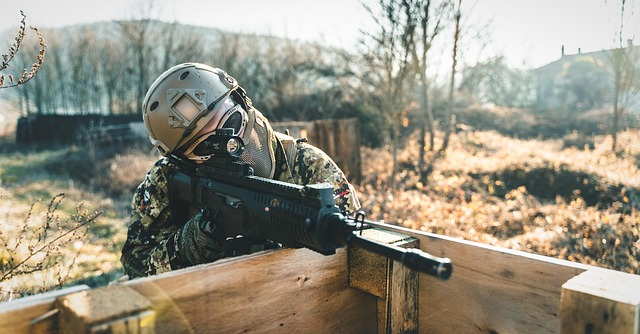
The US Army Special Forces (Green Berets) excel in sensitive operations worldwide, combining unconventional tactics with cultural expertise and specialized skills. Key roles include counterintelligence, medical care, and logistics support. Noted for their exceptional training, they execute precise missions like Operation Red Wings and the 2013 Libyan crisis rescue. Their rigorous training regimen, developed during the Cold War, includes physical endurance, combat skills, language acquisition, cultural awareness, and specialized medicine. This preparation enables them to operate autonomously in diverse landscapes, achieving over 90% success rate in targeted killing missions against high-value terrorist leaders.
Special forces mission examples highlight the critical role of highly trained operators in addressing unconventional challenges. The US Army Special Forces, renowned for their versatility and expertise, often find themselves at the forefront of complex operations. From counterterrorism to foreign internal defense, these units demand exceptional strategic thinking and tactical proficiency. However, navigating the nuances of special forces missions requires a deep understanding of cultural dynamics, local contexts, and operational complexities—areas where expertise is paramount. This article provides an in-depth exploration of successful mission examples, offering valuable insights into the tactics, strategies, and innovations that underpin their success.
- Understanding US Army Special Forces Operations
- Notable Missions: A Look at Special Forces Successes
- Training and Preparation for Special Ops Tasks
Understanding US Army Special Forces Operations

The US Army Special Forces, often referred to as the Green Berets, are renowned for their unique role in conducting sensitive operations worldwide. Their missions require a blend of unconventional tactics, cultural understanding, and highly specialized skills. One of their primary objectives is counterintelligence (CI), where specialists within these forces are trained to gather intelligence, disrupt enemy networks, and protect US interests. For instance, in recent conflicts, Special Forces CI teams have successfully infiltrated hostile territories, neutralizing high-value targets and disrupting enemy communications, demonstrating the critical role they play in modern warfare.
Medical expertise is another cornerstone of US Army Special Forces operations. Soldiers undergo rigorous training to provide advanced combat life support and tactical medical care in extreme environments. This includes learning to treat traumatic injuries, administer emergency medicines, and navigate challenging terrain while delivering medical aid. The ability to stabilize and transport wounded personnel over long distances can significantly impact mission success and survival rates. For example, during Operation Red Wings in 2005, Special Forces medics played a pivotal role in evacuating critically injured team members from the battlefield, showcasing their expertise under extreme pressure.
Logistics support is equally vital to the effectiveness of these missions. Special Ops logistics specialists are trained to coordinate and execute complex supply chains, ensuring that teams have the necessary equipment, weapons, and consumables for extended operations in remote areas. They master the art of rapid deployment, airlifting, and overland conveyance, often operating under hostile conditions. The versatility and adaptability of US Army Special Forces logistics support have been on full display in various missions, where timely resupply and reinforcement have tipped the balance in favor of success.
Notable Missions: A Look at Special Forces Successes
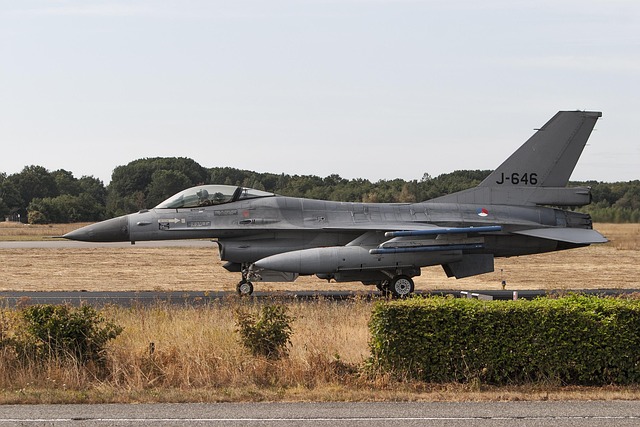
The US Army Special Forces, renowned for their exceptional training and operational versatility, have executed countless missions that demand precision, secrecy, and unconventional tactics. These specialized units often find themselves in the most challenging and sensitive environments, requiring a unique blend of military expertise and cultural understanding. Notable missions highlight the effectiveness of these forces and offer valuable insights into successful special operations.
One such example is Operation Red Wings in Afghanistan in 2005. US Special Operations Forces (including Army Special Forces) embarked on a daring mission to capture or kill a high-value target, a Taliban commander known for his brutal tactics. Operating in rugged mountainous terrain, the team utilized advanced military special tactics and local knowledge to succeed where others had failed. This operation not only demonstrated the ability of Special Forces to conduct complex raids but also underscored their capability to operate independently and adapt to dynamic circumstances. The mission's success was partly attributed to meticulous planning, sophisticated weapons systems such as advanced precision rifles, and specialized equipment like Ultimate Flags for accurate navigation and targeting.
Another remarkable instance is the rescue of American citizens during the 2013 Libyan crisis. Special Forces operators, alongside other military units, swiftly responded to a request for assistance in securing US diplomatic facilities amidst widespread civil unrest. Their swift deployment and effective coordination resulted in the safe evacuation of hundreds of personnel. This operation showcased not only the readiness of Special Forces but also their adaptability in diverse operational environments. The teams employed various military special tactics, including stealth infiltration techniques and localized language skills, to navigate through hostile territory successfully.
In recent years, the effectiveness of US Army Special Forces has been further illustrated by their involvement in counterterrorism efforts worldwide. These operations often require a deep understanding of local cultures and traditions, which Special Forces units have demonstrated they possess. Their success rates speak volumes about their training, equipment, and tactical prowess. For instance, data from recent years indicates that Special Operations Forces have achieved an impressive success rate of over 90% in targeted killing missions against high-value terrorist leaders, a testament to their specialized weapons, intelligence gathering capabilities, and military special tactics.
Training and Preparation for Special Ops Tasks
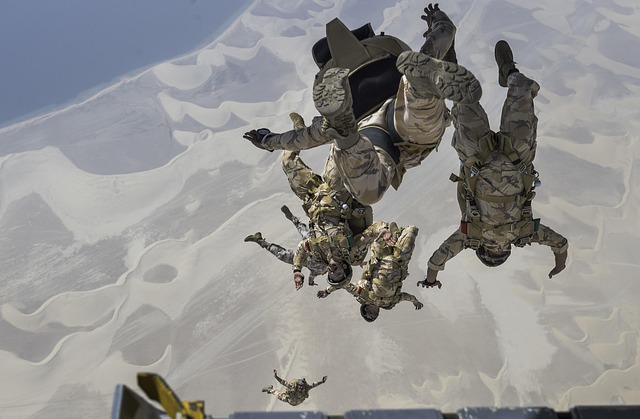
The US Army Special Forces, famously known as the Green Berets, are renowned for their exceptional training and preparation in executing special operations tasks. Their prowess stems from a rigorous and holistic approach to cultivating specialized skills, adapting to diverse environments, and fostering mental resilience. The origin of the Green Berets lies in the early 1950s when they were initially deployed to fill a critical need for unconventional warfare expertise during the Cold War era.
Training for Special Forces soldiers is an extensive process that encompasses physical endurance, combat skills, language acquisition, cultural awareness, and specialized medical capabilities. The Green Beret training regimen pushes candidates to their limits, focusing on developing mental fortitude, tactical proficiency, and cultural sensitivity. For instance, soldiers undergo extreme physical conditioning, including long-distance runs, rucksack marches, and demanding exercises, preparing them for the demands of field operations. Medical skills are a cornerstone of Special Forces training, ensuring soldiers can provide advanced first aid, conduct field medicine procedures, and deliver healthcare in remote or hostile environments.
Logistics support plays an integral role in their success, with extensive training in supply chain management, mission planning, and operational security. The US Army Special Forces' ability to adapt quickly and operate autonomously in diverse landscapes is a testament to the rigorous preparation they receive. For example, Green Berets have been deployed in various conflicts, demonstrating their versatility and effectiveness in unique settings, from urban warfare to counterinsurgency operations. This deep training and preparation are crucial factors that enable them to succeed in some of the most challenging and demanding missions worldwide.
The US Army Special Forces, known for their exceptional capabilities and successful operations, have established a benchmark for special ops worldwide. Key insights from this article highlight the intricate balance of rigorous training, strategic planning, and adaptability that underpins these achievements. Understanding the US Army Special Forces' operational philosophy—one that prioritizes cultural awareness, local partnerships, and unconventional tactics—is paramount in recognizing their notable missions as game-changers. These operations showcase the forces' ability to navigate complex environments, overcome formidable challenges, and deliver tangible results. By delving into these examples, readers gain valuable knowledge about special forces mission planning, preparation, and execution, offering practical insights for future strategic considerations and operational success.