The US Army Special Forces utilize music as a powerful bond and motivator, integral to their rigorous training and global operations. From marching songs to contemporary pieces, music strengthens camaraderie, enhances mental focus, and preserves cultural heritage. Iconic anthems like "Waging War" embody the Special Forces' spirit and courage, fostering unity and pride. Recent practices incorporate music for tactical communication, de-escalation, and team bonding, reflecting evolving military strategies and enhancing mission effectiveness.
"Unleash the power of rhythm and melody as we explore the unique relationship between music and the US Army Special Forces. From the battlefield to training grounds, Special Forces musicians play a pivotal role in shaping their unit's culture and morale. This article delves into the historical and contemporary significance of music within this elite force, highlighting its impact on forging legacies and defining a distinct Special Forces culture. Discover iconic songs that have left an indelible mark and learn about modern trends integrating music into their rigorous training regimen."
- US Army Special Forces: Forging Musical Legacies
- The Role of Music in Special Operations Training
- Iconic Songs That Define Special Forces Culture
- Modern Trends: Special Forces and Music Integration
US Army Special Forces: Forging Musical Legacies
The US Army Special Forces, often referred to as the Green Berets, have a rich and unique history that extends beyond their combat roles. Music has played an integral part in shaping their identity and fostering camaraderie among the ranks. These elite soldiers not only engage in rigorous physical training but also find solace and expression through musical performances. The Special Forces' musical legacies are diverse, ranging from traditional marching songs to modern compositions that reflect their global deployments and cultural encounters.
Their music serves as a bonding experience, a form of non-verbal communication, and a way to preserve their heritage. Many Special Force veterans have gone on to contribute to the broader military music scene, sharing their skills and experiences with other branches of the US Army. This musical legacy continues to evolve, leaving an indelible mark on both the Special Forces community and the larger military musical tapestry.
The Role of Music in Special Operations Training
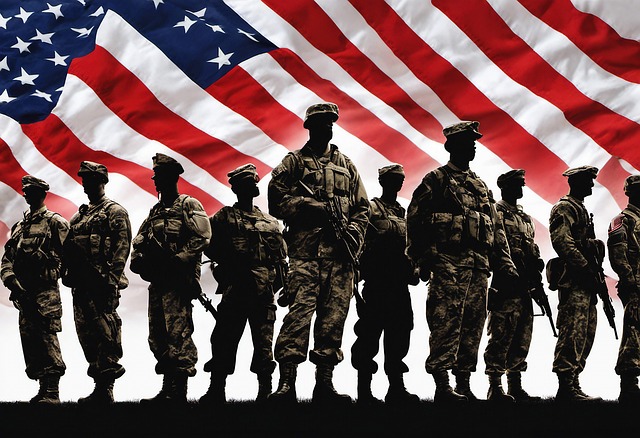
Music plays a surprisingly integral role in the rigorous training regimes of the US Army Special Forces, serving as a powerful tool for team building, motivation, and psychological preparation. Through carefully curated playlists and musical traditions, special operations soldiers forge bonds, sharpen their mental focus, and cultivate an unbreakable esprit de corps. The rhythmic beats and melodic themes become a shared language, uniting them in the face of extreme physical and mental challenges.
In Special Operations training, music often accompanies high-intensity exercises, providing an emotional boost that pushes trainees beyond their perceived limits. It helps break the monotony of repetitive drills, serving as a motivational catalyst during grueling physical conditioning sessions. Moreover, specific songs or anthems may be associated with pivotal moments in training or operational history, reinforcing a sense of heritage and camaraderie among the elite forces.
Iconic Songs That Define Special Forces Culture
In the world of the US Army Special Forces, music and songs play a pivotal role in shaping their unique culture and camaraderie. Iconic tracks that resonate within these elite units become more than just tunes; they embody the spirit, courage, and shared experiences of the soldiers they represent. "Waging War," for instance, is not just a song but a rallying cry that reflects the Special Forces' ethos of precision, bravery, and unwavering dedication to mission success.
Similarly, "Special Operations" by Black Hawk Down serves as a powerful anthem, evoking memories of daring operations and the unyielding bond between fellow soldiers. These songs become anthems for the unsung heroes, fostering a sense of pride and camaraderie that transcends time and deployment zones. They are the silent companions during long patrols, the motivational boosts before daunting missions, and the threads that bind these special units together, creating a vibrant tapestry of their shared journey.
Modern Trends: Special Forces and Music Integration
In recent years, there's been a notable shift in how music is incorporated into the training and operations of the US Army Special Forces—a trend that reflects evolving military strategies and cultural changes. Modern combat environments demand adaptability and versatility from special operators, and music has emerged as an integral part of their preparation. From tactical communication to team bonding, music serves various purposes, enhancing mission effectiveness.
The integration of music into special forces training has taken on innovative forms, including the use of specialized sound systems for orientation and de-escalation strategies during high-stress situations. Additionally, musical performances have become a unique way to foster camaraderie among team members, blending artistic expression with military discipline. This approach not only boosts morale but also strengthens the bonds essential for successful collaboration in extreme conditions.
The US Army Special Forces have long recognized the power of music as a tool for fostering camaraderie, enhancing training, and defining their unique culture. From the rhythmic beats during grueling exercises to the anthemic songs that echo through deployment zones, music plays a pivotal role in shaping the special operations community. As the times evolve, the integration of music into Special Forces training and culture continues to adapt, ensuring that these iconic units maintain their distinct identity while embracing modern trends.