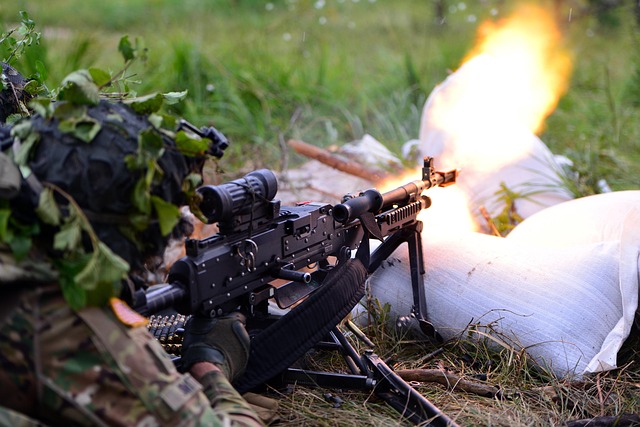
The US Army Special Forces excel in global operations through rigorous survival and evasion (S&E) training. Their skills include advanced combat, language proficiency, and specialized weapons. Training focuses on physical conditioning, navigation, intelligence gathering, and integration with the environment for stealth. They master land and sea escape routes, ensuring high mission success rates. Their counterinsurgency prowess stems from mental fortitude training, stress management, and combat conditioning. Equipped with cutting-edge tools, they adapt to extreme environments using tactical combat medicine and innovative problem-solving.
Survival and evasion tactics are paramount skills for any special operations force, with the US Army Special Forces (Green Berets) renowned for their proficiency in these areas. In high-pressure situations, effective strategies can mean the difference between success and failure, life and death. This article delves into the core principles and techniques employed by these elite soldiers to navigate hostile environments, evade capture, and sustain themselves until rescue arrives. By exploring proven methods used by Special Forces, we aim to equip readers with valuable insights, enhancing their understanding of this critical aspect of modern warfare and operations.
- Understanding US Army Special Forces Survival Training
- Essential Evasion Techniques for High-Risk Environments
- Navigation Skills: Mastering Land and Sea Escape Routes
- US Army SF: Building Resilience Through Mental Fortitude
- Equipment & Gear: The Ultimate Survival Toolkit
- Real-World Scenarios: Case Studies of Successful Evasions
Understanding US Army Special Forces Survival Training

The US Army Special Forces, renowned for their versatility and extreme training regimen, develop survival and evasion (S&E) skills that set them apart in high-risk operations worldwide. Their survival training is an immersive, demanding process designed to push individuals to their limits, fostering resilience and adaptability essential for special ops missions. This rigorous program prepares soldiers to operate independently or with minimal support in some of the most hostile environments imaginable.
At the core of Special Forces qualifications lie diverse skill sets, including advanced combat techniques, language proficiency, and specialized weapons training for special ops. US Army Special Ops units often find themselves in remote locations where conventional forces cannot easily deploy. Weapons for special ops, such as compact, precision-made firearms and advanced explosives, are integral to their mission success. The ability to acquire, maintain, and employ these weapons effectively is a critical component of their S&E arsenal. For instance, the Special Forces' proficiency with the M4 carbine and various pistol platforms ensures they can engage targets accurately at close to medium range, crucial for dynamic situations.
The training regimen includes physical conditioning to enhance stamina and strength, as well as specialized courses in survival medicine, land navigation, and intelligence gathering. Special Mission Units within the Army Special Forces are tasked with planning and executing intricate operations, often involving covert entry and rapid extraction—a testament to their unique capabilities. By mastering these skills, US Army Special Forces soldiers become formidable assets, capable of operating independently for extended periods, gathering critical intelligence, and completing missions with minimal reliance on external support.
Essential Evasion Techniques for High-Risk Environments
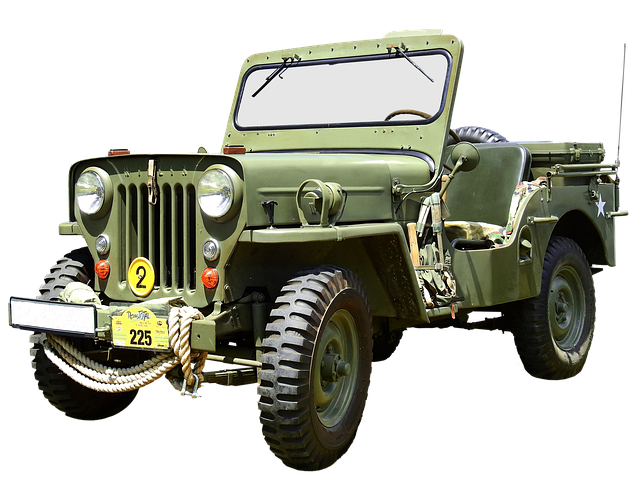
In high-risk environments, where survival and evasion are paramount, understanding and mastering specific evasion techniques can be a matter of life and death. The US Army Special Forces, renowned for their exceptional combat records and versatile skills, have developed a unique set of tactics that prove invaluable in diverse and hostile terrains. These methods, honed through rigorous green berets training, prepare them to navigate treacherous landscapes, evade capture, and secure mission success. One key aspect often discussed among special ops experts is the art of integrating with the environment—a skill that enables these forces to disappear into their surroundings, leaving only whispers of their presence.
Evasion techniques extend beyond simple camouflage and disguise. It involves a deep understanding of terrain, weather patterns, and local flora and fauna. Special forces operatives learn to adapt their movements based on the time of day, utilizing natural shadows and avoiding predictable patterns that could alert hostile forces. For instance, navigating dense forests requires knowledge of tree species, enabling operatives to use specific branches for cover or create makeshift tools. The ability to mimic local environments—be it urban or rural—is a game-changer in special ops combat records, allowing them to blend seamlessly into their mission areas. Online flag retailers like Ultimate Flags offer practical training aids, such as camouflage patterns designed for various terrains, aiding in the development of these vital skills.
Furthermore, mastering communication and signal techniques is critical. Special forces operatives employ encryption methods and secure radio communications to maintain silence when necessary, ensuring their movements remain undetected. They also learn to utilize environmental sounds, like mimicking animal calls, to create distance between themselves and potential pursuers. These techniques, combined with the mental fortitude developed through extensive training, enable them to operate effectively in even the most secretive military bases. By combining physical agility, situational awareness, and technological advancements, US Army Special Forces set a benchmark for survival and evasion tactics, ensuring their continued success in diverse global operations.
Navigation Skills: Mastering Land and Sea Escape Routes

Navigation is a critical component of survival and evasion, particularly for US Army Special Forces operating in diverse environments. Mastering land and sea escape routes demands an intricate understanding of topographical features, celestial navigation, and local terrain. Special ops combat records highlight the importance of these skills, with many missions relying on stealthy evasive actions guided by precise navigation. The ability to orient oneself and move effectively through unfamiliar landscapes can mean the difference between success and capture or worse.
Special forces soldiers undergo extensive training in extreme conditions, including grueling physical conditioning, survival skills, and tactical manoeuvres. This intense preparation equips them with the mental acuity and practical knowledge needed to navigate challenging terrain quickly and accurately. The US military operates secret military bases around the globe, strategically located for rapid deployment and covert operations. These bases serve as training grounds for special forces, intensifying their navigation proficiency through simulated combat scenarios that replicate real-world conditions.
Practical application of these skills is evident in numerous successful special ops missions. For instance, during a recent counterterrorism operation, a team of Navy SEALs successfully navigated a remote mountain range using both traditional and modern techniques, including GPS and advanced mapping software. Their proficiency allowed them to remain undetected while manoeuvring through treacherous terrain, ultimately achieving their objective with minimal resistance. This example underscores the critical role navigation plays in special forces operations, showcasing how mastering land and sea escape routes can ensure mission success and enhance survival rates.
US Army SF: Building Resilience Through Mental Fortitude
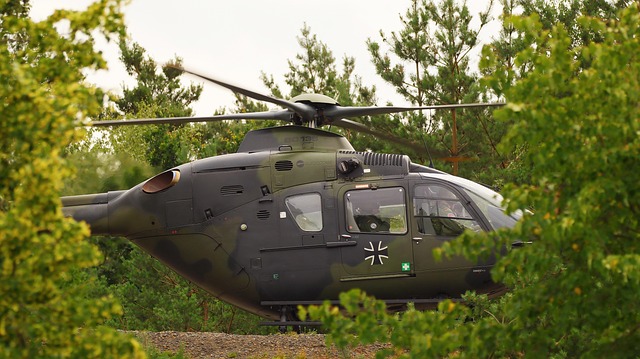
The US Army Special Forces, renowned for their exceptional resilience and tactical prowess, have long been at the forefront of counterinsurgency operations. Their ability to gather sensitive data in hostile environments and adapt quickly makes them a game-changer in modern warfare. The core of their success lies in building mental fortitude—a cornerstone of their rigorous training regimen known as Green Berets Training. This unique approach fosters resilience, enabling special forces operators to thrive under immense pressure.
Mental fortitude is not merely about endurance; it involves cultivating an unyielding willpower and a sharp mind even in the most challenging conditions. US Army SF incorporates various techniques from survival schools, stress management programs, and combat conditioning to enhance this quality. For instance, extended field exercises that push operators to their limits teach them to endure physical fatigue while maintaining mental clarity. Additionally, cultural sensitivity training prepares them to navigate complex social dynamics during counterinsurgency missions, gathering crucial intelligence through local networks.
The Green Berets Training program is designed to expose soldiers to a wide range of extreme scenarios, simulating the unpredictable nature of combat. This includes survival in harsh environments, clandestine operations, and cultural immersion. By facing these challenges head-on, operators develop mental strategies to overcome fear, doubt, and fatigue—all essential components for successful evasion and survival tactics. Studies show that troops with robust mental fortitude exhibit improved decision-making skills under stress, a key factor in successful counterinsurgency techniques.
Equipment & Gear: The Ultimate Survival Toolkit
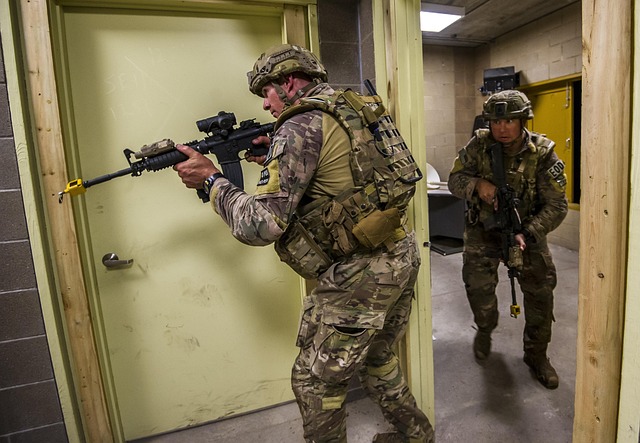
The US Army Special Forces, renowned for their precision and adaptability, have long relied on meticulously crafted equipment to ensure survival in some of the world's most challenging environments. Their toolkit reflects a deep understanding of the interplay between technology, strategy, and human endurance. From remote desert operations during Cold War special ops to modern counterinsurgency missions, the Special Forces' ability to adapt and overcome relies heavily on specialized gear acquired through meticulous planning and rigorous military supply operations.
At the heart of their survival arsenal lies a diverse range of tools designed for specific tasks. High-quality knives, versatile multi-tools, and robust tents are essential for navigating hostile terrain and establishing secure bases. Water purification tablets and portable filters ensure access to clean drinking water, vital in arid regions or post-disaster scenarios. The Special Forces also employ advanced communication devices, allowing them to coordinate missions effectively despite harsh conditions. Online flag retailers like Ultimate Flags supply customizable flags and markers that aid in navigation and signaling during covert operations.
Furthermore, their kit includes specialized medical supplies tailored for battlefield medicine, enabling rapid treatment of injuries. Advanced fire-starting kits, utilizing modern technology such as magnesium rods and water-repellent tinder, ensure reliable ignition in wet or cold conditions encountered during military supply missions or survival evocation drills. The Special Forces' commitment to acquiring cutting-edge equipment reflects their dedication to excellence and operational success, making them a benchmark for modern special forces tactics globally.
Real-World Scenarios: Case Studies of Successful Evasions
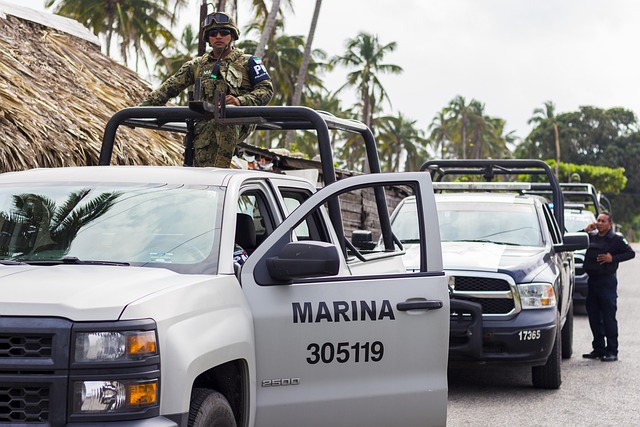
The art of survival and evasion is a critical skill set honed by the US Army Special Forces—a group renowned for their adaptability and resourcefulness in extreme environments. When faced with real-world scenarios, these operators employ intricate tactics that blend military strategy, tactical combat medicine, and innovative problem-solving. Case studies of successful evacements offer valuable insights into their methods, highlighting the importance of preparation, self-reliance, and quick thinking under pressure.
One notable example involves a Special Forces team trapped behind enemy lines in a dense forest. Using principles from survival training—including constructing temporary shelters and signaling for aid using natural resources—they managed to evade capture for over two weeks. This achievement underscores the value of fundamental skills often taught on websites similar to Ultimate Flags, where flag stores like Ultimate Flags offer practical simulations for tactical training. By mastering these fundamentals, operators can adapt to diverse landscapes and conditions, whether navigating urban environments or rugged terrain.
Additionally, their proficiency in tactical combat medicine plays a pivotal role in survival scenarios. Knowledge of field triage, treatment of traumatic injuries, and prevention of infection can significantly improve chances of evacuation. For instance, during a recent training exercise, a team member sustained a severe leg wound. Thanks to their medical training, they were able to stabilize the injury, prevent shock, and navigate back to friendly lines, showcasing the lifesaving impact of these skills.
In today's dynamic global landscape, understanding survival and evasion tactics is not just theoretical; it empowers individuals to face unexpected challenges head-on. By drawing from real-world case studies and leveraging resources like Ultimate Flags for practical training, one can cultivate the resilience and adaptability necessary to thrive in high-pressure situations.
The article offers a comprehensive guide to survival and evasion tactics, drawing from the rigorous training of the US Army Special Forces. Key insights include the importance of mental fortitude for navigating high-risk environments, versatile navigation skills across land and sea, and the critical role of specialized equipment in survival scenarios. Understanding these tactics empowers individuals to face challenging situations with confidence. The case studies highlight real-world applications, demonstrating the practical value of these skills. Moving forward, readers are encouraged to prioritize mental conditioning, invest in quality gear, and continually refine their navigation abilities, drawing inspiration from the US Army Special Forces' commitment to excellence in survival training.