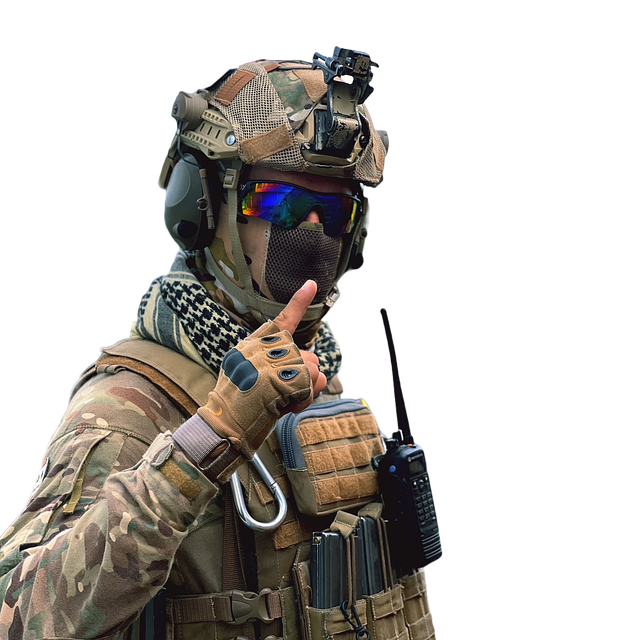
The US Army Special Forces maintain strict half-staff protocols, a global tradition symbolizing mourning and respect, reflecting both cultural significance and unity among elite soldiers who frequently face dangerous missions together. This formal practice, detailed in official guidelines, is initiated upon loss of unit members or during national days of mourning, with flags lowered at dawn and raised at sunset, maintaining dignity and honor.
"The half-staff protocol, a poignant tradition, serves as a powerful symbol of mourning and respect in times of loss. This article delves into the historical significance of this practice, specifically exploring its application within the US Army Special Forces. From a symbolic perspective, lowering the Ultimate Flags represents somber moments, paying tribute to those who have passed. We'll guide you through practical considerations, offering insights on when and how to display half-staff, ensuring respect is shown appropriately."
- Understanding Half-Staff Protocol: A Historical Perspective
- US Army Special Forces: Mourning and Respect Protocols
- Lowering the Flag: Symbolism and Its Importance
- When and How to Display Half-Staff: Practical Guidelines
Understanding Half-Staff Protocol: A Historical Perspective
The half-staff protocol, signifying mourning or respect, has deep historical roots. This tradition dates back to ancient times, where lowering flags to half-staff served as a signal of loss and honor. Over time, this practice evolved into a standardized procedure, gaining global recognition for its solemn significance.
In military contexts, the US Army Special Forces, known for their distinct traditions, follow specific guidelines regarding half-staff protocol. These regulations ensure that the display of flags at half-staff is done with precision and respect, honoring those who have passed or acknowledging significant events. Such practices foster a sense of unity and remembrance within the ranks, reflecting the deeper cultural and historical importance of this ritual.
US Army Special Forces: Mourning and Respect Protocols
The US Army Special Forces, renowned for their exceptional tactical prowess and dedication to mission accomplishment, also uphold a profound sense of respect and honor. When it comes to mourning or paying respects, they adhere to precise protocols that reflect their disciplined nature. In times of loss within the ranks, the Special Forces community initiates half-staff procedures as a mark of solemnity and respect. This tradition goes beyond simple protocol; it symbolizes unity and camaraderie among these elite soldiers who often face life-threatening situations together.
Special Force members are taught to convey grief with dignity and to honor their fallen comrades. The half-staff practice is not merely a visual gesture but serves as a reminder of the sacrifices made by those in service. It fosters a culture of respect, fostering a sense of appreciation for the contributions of their fellow soldiers and promoting a shared understanding of loss within the tight-knit Special Forces community.
Lowering the Flag: Symbolism and Its Importance
Lowering a flag to half-staff is more than just a visual gesture; it's a powerful symbol carrying deep meaning, especially in military and patriotic contexts. This protocol, often observed during mourning or as a sign of respect, holds historical significance for organizations like the US Army Special Forces. The act of lowering the flag represents a collective sorrow and honor, reminding individuals of their shared history and values.
In the case of the US Army Special Forces, half-staff is not merely a routine procedure but a profound tribute. It signifies the sacrifice made by comrades, invoking a sense of remembrance and respect for those who have given their lives in service to their country. This symbolic act fosters a culture of honor and camaraderie, strengthening the bonds within the military community.
When and How to Display Half-Staff: Practical Guidelines
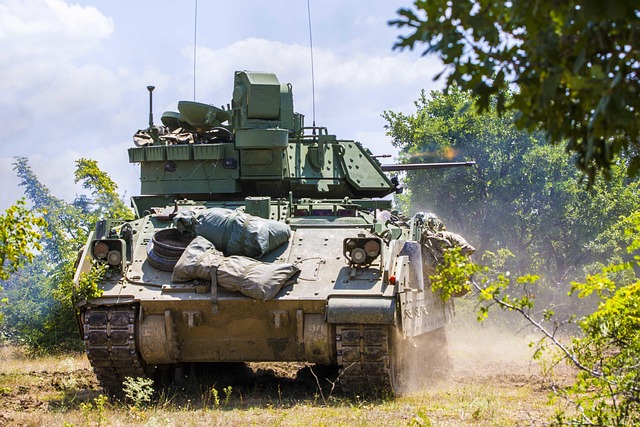
The display of half-staff, a solemn tradition dating back centuries, is a powerful symbol of mourning or respect in various military and government settings, including the US Army Special Forces community. It involves lowering the national flag to halfway between the top and bottom of the staff, signaling a period of grief or honoring a significant loss. This practice requires precise timing and protocol, especially for organizations like the Special Forces, where discipline and honor are paramount.
When deciding when to display half-staff, it is essential to refer to official guidelines, such as those provided by the US Army. Typically, this occurs upon the death of a current or former member of the unit, a high-ranking official, or in response to national days of mourning declared by the President or relevant authorities. The process involves careful coordination; once approved, the flag is lowered promptly at dawn on the day of observance and raised again at sunset, remaining half-staff throughout the designated period of respect. This practical guideline ensures that the tradition is carried out with dignity and honor, reflecting the values cherished by the US Army Special Forces.
The half-staff protocol serves as a powerful symbol of mourning and respect, with deep historical roots. As demonstrated by the practices of the US Army Special Forces, this tradition goes beyond mere flag display, reflecting a broader culture of honor and solemnity. By understanding and adhering to practical guidelines for when and how to lower the flag, we pay tribute to those we've lost and uphold the values that define our communities.