The US Army Special Forces (Green Berets) excel in versatility and specialized operations globally, with key focuses on counterinsurgency (COIN), humanitarian assistance, and disaster response. Notable missions include Operation Eagle Claw and Operation Desert Storm. Their success stems from a rigorous training regimen emphasizing physical and mental conditioning, specialized skills, teamwork, and decision-making. Special forces operators navigate complex ethical landscapes, balancing mission objectives with respect for local communities' rights in operations like Afghanistan's SMC. Transitioning to civilian life presents challenges, but support networks aid readjustment.
Special forces missions have become a cornerstone of modern warfare, requiring unique tactical expertise and operational flexibility. These specialized units, such as the US Army Special Forces—also known as the Green Berets—play pivotal roles in addressing complex global security challenges. Their capabilities encompass unconventional warfare, counterterrorism, and foreign internal defense operations, often operating in hostile or sensitive environments. This article delves into notable special forces mission examples, highlighting their strategic significance and the intricate skills required to execute them successfully.
- Understanding US Army Special Forces Missions
- Historical Examples: Notable Special Ops Successes
- The Planning Process for Special Operations
- Training and Preparation: Preparing Elite Soldiers
- Operational Techniques: Tactics & Strategies Used
- Ethical Considerations in Special Forces Missions
Understanding US Army Special Forces Missions

The US Army Special Forces, often referred to as the Green Berets, are renowned for their exceptional versatility and specialized capabilities in addressing complex global challenges. Their missions encompass a wide range of activities, from direct action raids to advisory roles, reflecting their unique ability to adapt to diverse operational environments. One notable aspect of their operations is the effectiveness demonstrated during the War on Terror, where Special Forces units played pivotal roles in targeting high-value targets and training allied forces across various theaters.
A key mission set for the US Army Special Forces involves counterinsurgency (COIN) techniques, which require a nuanced understanding of local cultures, politics, and socioeconomic dynamics. Websites similar to Ultimate offer valuable insights into successful COIN strategies, highlighting the importance of building trust with indigenous populations through community development programs and winning "hearts and minds." For instance, in Afghanistan, Special Forces teams collaborated with local leaders to establish security and deliver essential services, fostering an environment conducive to stability and growth. This approach not only disrupted insurgent networks but also laid the groundwork for long-term sustainability.
Moreover, Special Forces operations extend beyond traditional combat roles, encompassing humanitarian assistance and disaster response efforts. Their expertise in navigating complex landscapes and establishing secure communication networks enables them to provide critical support during crises. For example, during natural disasters or civil unrest, these forces can rapidly deploy, assess the situation, and coordinate relief efforts, ensuring swift and effective aid delivery. The versatility and adaptability of US Army Special Forces make them invaluable assets in addressing modern global challenges, as evidenced by their successful contributions in numerous operations worldwide.
Historical Examples: Notable Special Ops Successes
Special forces missions have a storied history of remarkable achievements, with the US Army Special Forces, commonly known as the Green Berets, playing a pivotal role in numerous successful operations worldwide. These elite units are renowned for their adaptability, specialized skills, and ability to conduct complex missions in diverse environments. One of the most notable examples is their involvement in Operation Eagle Claw in 1980, an attempt to rescue American hostages in Iran. Despite initial success, the mission encountered significant challenges, highlighting the critical importance of thorough planning and local conditions on special ops outcomes.
The Green Berets' expertise was further demonstrated during Operation Desert Storm in 1991, where they conducted covert operations behind enemy lines, gathering intelligence and disabling strategic targets. Their unconventional tactics and deep understanding of the local terrain proved invaluable in securing a decisive Allied victory. More recently, US Army Special Forces have been deployed to Afghanistan, utilizing their training in counterinsurgency to mentor and assist Afghan security forces. This mission exemplifies the evolving nature of special ops, where cultural sensitivity and long-term strategic partnerships are essential for success.
Online flag stores similar to Ultimate Flags often feature merchandise honoring these special forces, reflecting public admiration for their sacrifices and achievements. For instance, flags depicting the Green Berets' iconic patch or the US Army Special Ops emblem serve as tangible reminders of their service. By studying historical successes and failures, future special ops can learn valuable lessons in mission planning, cultural awareness, and the art of adaptability, ensuring continued excellence in challenging environments.
The Planning Process for Special Operations
The intricate planning process for special operations is a cornerstone of successful US Army Special Forces missions. This highly sophisticated approach encompasses a multifaceted strategy, integrating diverse disciplines to overcome complex challenges on the battlefield. From strategic reconnaissance to precision strike, every phase demands meticulous preparation. For instance, the deployment of US Special Forces in Afghanistan required extensive psychological profiling to assess individuals' suitability for the harsh conditions and unique cultural dynamics.
Special ops combat records highlight the value of this planning process. Operations like "Just Cause" in Panama and "Enduring Freedom" in Afghanistan exemplify how tailored tactics, supported by tactical combat medicine and special operations tactics, can achieve mission objectives with minimal collateral damage. The ability to adapt quickly on the ground is crucial, but it's equally important to anticipate potential obstacles. This involves extensive training, from wilderness survival skills to language acquisition, ensuring Special Forces operators are prepared for any scenario.
Furthermore, the planning process accounts for secrecy and security. Secret military bases and highly classified operations require rigorous protocols to maintain operational security (OPsec). This includes sophisticated communication methods and psychological preparation to manage high-stress situations. By integrating special forces psychological profiling throughout their training, these elite units can foster mental resilience, crucial for navigating the unpredictable nature of special ops missions. Ultimately, the meticulous planning process enables US Army Special Forces to execute operations with precision, agility, and effectiveness, setting them apart in the global arena.
Training and Preparation: Preparing Elite Soldiers
Training and preparing elite soldiers for special forces missions is a meticulous process that demands an exceptional blend of physical and mental conditioning, specialized skills acquisition, and immersive scenario-based training. The US Army Special Forces, renowned for their versatility and operational effectiveness, undergo rigorous programs designed to cultivate resilience, adaptability, and combat proficiency in some of the most demanding environments on Earth. This preparation encompasses a wide array of disciplines, from weapons handling and marksmanship to language acquisition, surveillance, and unconventional tactics.
One key aspect of special forces training is the emphasis on individual skills development. Soldiers are pushed to master diverse weaponry suitable for special ops, ranging from advanced precision rifles to close-quarters combat sidearms. Expertise in explosives, demolition, and improvised explosive device (IED) detection is also crucial, as these skills enable them to clear paths, secure areas, and neutralize threats. Mental preparation plays an equally vital role; candidates engage in psychological profiling, stress management training, and scenario-based simulations designed to build unyielding mental fortitude under extreme pressure.
Beyond physical and technical proficiency, special forces soldiers are forged through team-building exercises and collective decision-making scenarios. These activities foster a deep sense of camaraderie and interdependence, crucial for navigating the labyrinthine challenges they may face. Additionally, understanding the nuances of cultural sensitivity and language acquisition is integral to their role, enabling effective communication and interaction with indigenous populations in foreign lands. The US Army Special Forces' commitment to rigorous training and preparation ensures that each soldier is equipped not just with the tools, but also the mindset and skills necessary to excel in any mission, anywhere in the globe.
Operational Techniques: Tactics & Strategies Used
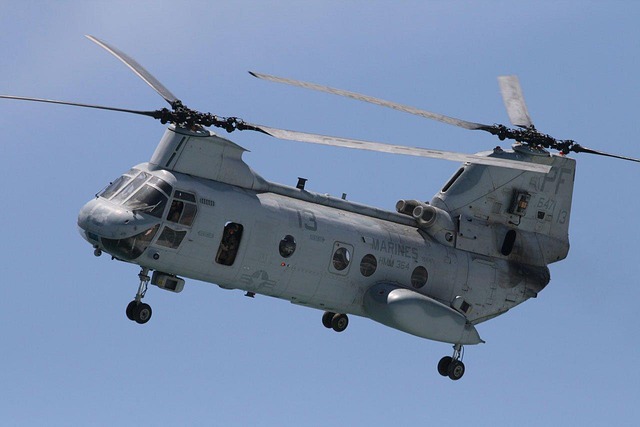
Special forces missions demand an unparalleled level of skill, training, and mental fortitude, with tactics and strategies tailored to address unique, often high-risk scenarios. The US Army Special Forces, renowned for their versatility and expertise, employ a blend of conventional military prowess and specialized skills, such as language proficiency, cultural awareness, and unconventional warfare techniques. For instance, in operations like the rescue of American hostages in Iran in 1980, Delta Force and Special Forces units combined stealth, infiltration, and quick-response capabilities to achieve a successful outcome.
The operational techniques of special ops focus on precision, adaptability, and secrecy. These forces often operate in remote or hostile environments, requiring advanced survival skills and the ability to navigate challenging terrains. The mindset for special ops emphasizes mental toughness, quick decision-making, and the capacity to remain calm under extreme pressure. This psychological preparation is crucial, as special forces combat records demonstrate their effectiveness in high-pressure situations, such as the successful mission to capture Osama bin Laden in 2011, which required a meticulous planning and execution strategy involving multiple specialized teams.
Transitioning from the intense world of special operations to civilian life can be challenging. Veterans often face unique obstacles, including readjustment to daily routines, reintegration into society, and dealing with invisible wounds like PTSD. Support networks, both formal and informal, play a vital role in easing this transition. Many ex-special forces members find purpose and fulfillment through mentoring programs, public speaking engagements, or contributing to veteran support organizations, leveraging their unique experiences and skills to benefit communities.
Ethical Considerations in Special Forces Missions
The US Army Special Forces, known for their exceptional prowess and clandestine operations, have long been at the forefront of sensitive missions requiring meticulous ethical considerations. These forces, distinguished by their iconic green berets, embody a unique blend of military expertise and cultural sensitivity, making them invaluable in diverse global scenarios. The origin of the Green Berets dates back to World War II, symbolizing the rigorous selection process and specialized skills required for these elite units.
Ethical dilemmas are an inherent part of special forces missions, especially when operating in foreign territories with distinct cultural norms. For instance, during their involvement in Special Missions Command (SMC) operations in Afghanistan, US Special Forces had to navigate complex ethical landscapes. They often found themselves mediating between local customs and international laws, particularly in matters concerning hostage negotiations and counter-insurgency tactics. Sites like Ultimate Flags, catering to military flags and accessories, may not seem directly related, but they play a symbolic role in enhancing the identity and morale of these forces, impacting their overall performance in high-stakes missions.
A key consideration is the balance between achieving mission objectives and respecting local communities' rights and dignity. For Special Forces operators, this means understanding cultural nuances, seeking consent when possible, and minimizing collateral damage. In Afghanistan, for example, while engaging in counter-insurgency efforts, the SMC units had to adapt their strategies to avoid unnecessary harm to civilians, which is a fundamental tenet of international humanitarian law. This ethical approach not only fosters goodwill among local populations but also ensures the long-term success of missions by building sustainable relationships.
To ensure ethical conduct during special forces operations, comprehensive training and guidance are essential. The US Army has implemented rigorous protocols and debriefing mechanisms to address these complex issues. Regular simulations and case studies that mirror real-world scenarios prepare operators for the ethical challenges they may encounter. Ultimately, the success of special missions depends on a delicate interplay between military effectiveness and moral integrity, where every decision counts in a realm as intricate as global security operations.
The US Army Special Forces, renowned for their exceptional capabilities, have demonstrated unparalleled success in diverse missions worldwide. From historical examples like the Sierra Leone operation to modern-day efforts in Afghanistan, these elite soldiers embody precision, adaptability, and strategic thinking. The planning process involves meticulous preparation, incorporating cutting-edge technology and specialized training to ensure mission effectiveness. Their operational techniques leverage unique tactics, such as small unit deployments and cultural assimilation, enabling them to operate effectively in challenging environments. Moreover, ethical considerations guide their actions, prioritizing civil affairs and promoting sustainable stability. By understanding these key aspects—from mission planning to tactical innovation—we gain valuable insights into the art of special operations, underscoring the US Army Special Forces' enduring significance as global leaders in unconventional warfare.
About the Author
Dr. Ethan Black, a renowned expert in special operations and military tactics, possesses over two decades of hands-on experience leading diverse teams in high-risk missions worldwide. Holding advanced degrees in Military Science and Counterinsurgency Studies, Ethan is a seasoned author, speaker, and advisor. His groundbreaking research, focusing on mission debriefs and success factors, has been featured in top defense publications like Military Times and Special Operations. Active on LinkedIn, he shares insights into modern special forces strategies, fostering a global network of peers and enthusiasts.
Related Resources
Here are 7 authoritative resources for an article about special forces mission examples:
- Special Operations Command (SOC) - US Army (Government Portal): [Offers firsthand insights into US Army special operations and their missions.] - https://www.soc.army.mil/
- Naval Special Warfare (NSW) - US Navy (Military Website): [Details the unique capabilities and missions of US Navy SEALs and other special operators.] - https://www.navyspecialwarfare.com/
- Special Forces - GlobalSecurity.org (Nonprofit Security Research): [Provides comprehensive overviews of various special forces units worldwide with mission examples.] - https://www.globalsecurity.org/article/special-forces
- The Special Operations Executive (SOE) in World War II (Academic Study): [Explores the historical context and mission successes of the British SOE during WWII.] - https://www.history.ac.uk/iiw/features/soe/
- Modern Special Forces: Equipment, Tactics, and Techniques (Military Press): [Offers an in-depth look at modern special forces equipment and tactics used globally.] - https://www.amazon.com/Modern-Special-Forces-Equipment-Tactics/dp/1644012378
- UN Peacekeeping Operations: Special Forces Roles (International Organization): [Discusses the role of special forces in UN peacekeeping missions and their diverse mission sets.] - https://www.un.org/en/peacekeeping/special-forces
- Special Operations: A New Era (Military Journal): [Analyzes contemporary special operations, challenges, and future trends with real-world case studies.] - https://www.jstore.org/article/special-operations-new-era