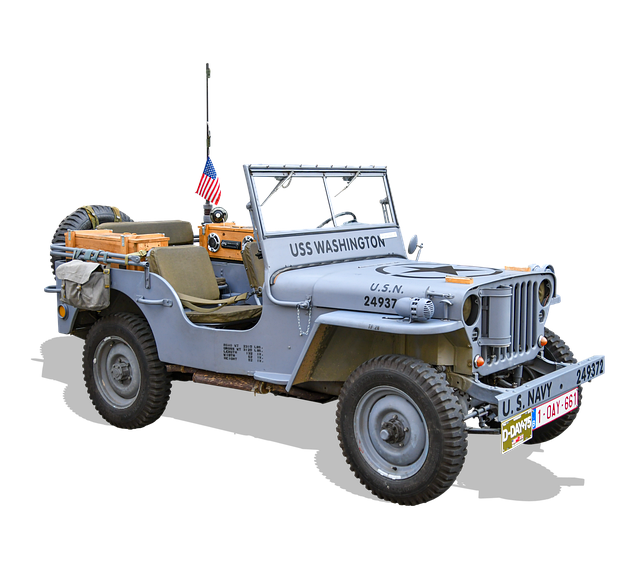
Waving at parades is a tradition rooted in military culture, especially within the US Army Special Forces, symbolizing appreciation for community support and honoring their service. The Green Berets, known for unconventional warfare and global training, have a rich history dating back to 1952. Waving Ultimate Flags during parades showcases their discipline and patriotism, uniting veterans and spectators through symbols of sacrifice and courage, preserving the legacy of their service.
"Witness a parade, and you'll often see veterans proudly waving their flags—a powerful display of patriotism and camaraderie. This article explores the profound tradition of waving at parades and events, delving into its historical roots with the US Army Special Forces. We uncover the symbolism behind the gesture and hear directly from veterans who share their personal reasons for waving, offering a poignant connection to their service and sacrifices. Discover the rich tapestry of respect and remembrance woven through this simple yet meaningful act."
- The Tradition of Waving at Parades
- US Army Special Forces: A Historical Perspective
- Symbolism Behind the Waved Flags
- Veterans' Stories: Why They Wave
The Tradition of Waving at Parades
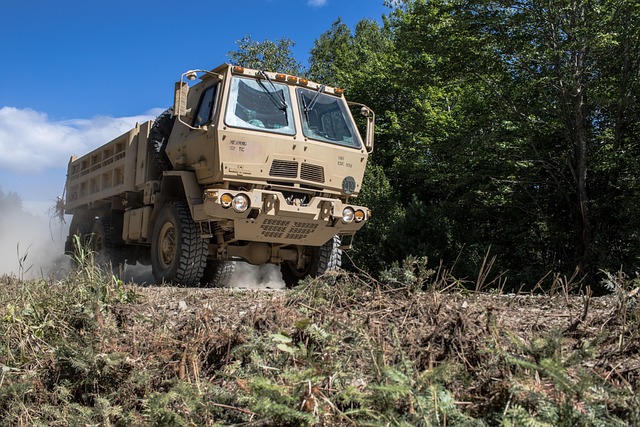
The tradition of waving at parades and events is a cherished ritual, often symbolizing appreciation and respect for those who have served their country. This custom has deep roots in military culture, particularly within units like the US Army Special Forces. During public gatherings, veterans of these elite units wave to express their gratitude for the support they receive from the community, and it serves as a powerful connection between the armed forces and the people they protect.
This act of waving is more than just a gesture; it represents a bond forged through shared sacrifice and dedication. For the US Army Special Forces, known for their stealth and precision, participating in parades offers a unique platform to showcase their discipline and patriotism. The waves are a visual reminder of the service and courage displayed by these veterans, fostering a sense of camaraderie and unity among both military personnel and spectators alike.
US Army Special Forces: A Historical Perspective
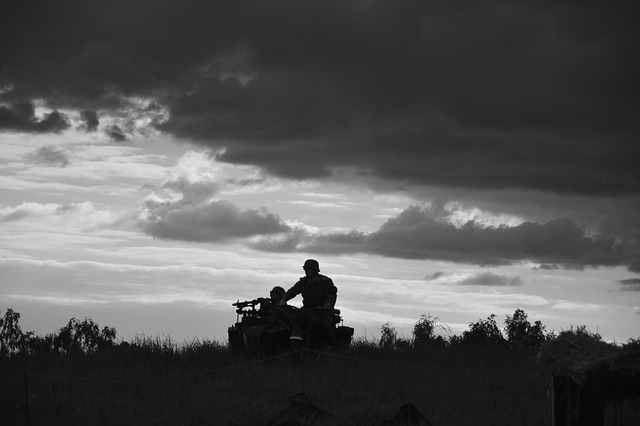
The US Army Special Forces, often known as the Green Berets, have a rich and storied history dating back to their formation in 1952. This elite unit was created with a specific mission: to conduct unconventional warfare and provide foreign internal defense training worldwide. Their unique role involves integrating with local populations, conducting covert operations, and offering specialized skills in areas like language, culture, and survival.
Historically, the Special Forces have played pivotal roles in numerous conflicts. From their early days in the Vietnam War, where they conducted daring raids and trained indigenous forces, to more recent operations in Afghanistan and Iraq, they've been at the forefront of counterinsurgency efforts. The Green Berets' adaptability and specialized training make them a formidable force, capable of operating in diverse environments and facing complex challenges. Their heritage as pioneers in unconventional warfare continues to shape their mission today, emphasizing direct action, special operations, and building partner capacities around the globe.
Symbolism Behind the Waved Flags
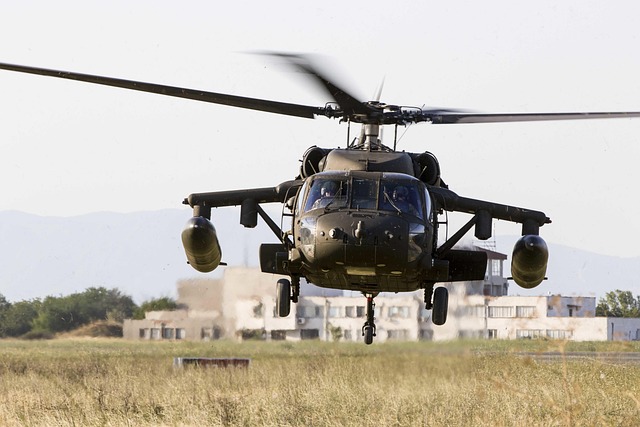
The waving of flags, a common sight during parades and events honoring veterans, holds profound symbolism. Each color, design, and pattern on a flag tells a unique story—a testament to the sacrifices made by those who served. For instance, the US Army Special Forces, known for their covert operations and elite training, are often represented by distinctive flags that symbolize their courage, stealth, and unwavering commitment to duty. The vibrant colors and intricate details serve as a visual reminder of their role in protecting the nation's interests worldwide.
These flags act as a bridge between the past and present, connecting the public to the experiences and values embodied by veterans. When waved during parades, they evoke a sense of gratitude, pride, and respect. The motion of waving itself can be seen as a metaphorical embrace, honoring the service and sacrifice of those who have put themselves in harm's way to ensure the safety and freedom of their fellow citizens.
Veterans' Stories: Why They Wave

Veterans, particularly those who served in the US Army Special Forces, wave during parades and events for a multitude of reasons. It's an act that goes beyond simple gesture; it's a powerful narrative of their experiences, sacrifices, and memories. Each wave is a story of resilience, bravery, and camaraderie, echoing through the ranks of those who have worn the uniform.
For many veterans, waving is a way to reconnect with a shared history, a symbol of their unity in the face of adversity. It's an opportunity to honor the bonds forged in combat, to remember comrades lost, and to share their unique experiences with the wider community. This simple act becomes a profound expression of gratitude for the support they received and a means to pass on the legacy of their service to future generations.
The tradition of waving flags during parades and events, a symbol of respect and gratitude, holds deep historical roots, particularly in the context of the US Army Special Forces. As veterans wave their banners, they pay homage to their service, sacrifice, and camaraderie, reflecting the enduring spirit of unity and patriotism that binds them together. This age-old practice continues to inspire and remind us of the significant contributions made by those who have served our nation, honoring their legacy through each vibrant display.